What Hair Color Suits Me? A Guide to Choosing the Right Hue
Published October 2, 2026
Answering “what hair color suits me?” is not always straightforward. A shade that looks flattering on one person can create a very different effect on another, even when their skin tones appear similar.
Choosing a hair color involves more than matching a shade to your complexion. Skin tone and undertone, natural hair color, eye color, desired change, and maintenance preferences all influence which options to consider.
There’s no universal “best” hair color. The goal is to narrow down shades that complement your features, reflect your personal style, and fit realistically into your routine.
What Hair Color Suits Me? Start With Your Skin Tone and Undertone
Skin tone and undertone are useful starting points when choosing a hair color. They can help identify shades that complement your complexion or create intentional contrast, but they’re not strict rules.
What Is the Difference Between Skin Tone and Undertone?
Your skin tone refers to the overall depth of your complexion, such as light, medium, or deep. Your undertone is the subtle hue beneath the skin’s surface.
Undertones are generally grouped into three categories:
- Warm: golden, yellow, or peachy
- Cool: pink, red, or bluish
- Neutral: a mix of warm and cool
Two people can have a similar skin tone but different undertones. That’s why complexion depth alone cannot determine which hair color will suit you.
How to Identify Your Undertone
Check your complexion in natural daylight because artificial lighting can change how your skin appears. Notice if it looks more golden or peachy, pink, or cool, or somewhere in between.
Vein color can offer another rough clue. Blue or purple veins tend to suggest cooler undertones, while green veins may indicate warmer ones. A mix of both may point to a neutral undertone.
These tests are not definitive. Makeup, tanning, lighting, and surrounding colors affect how your complexion looks. If unsure, compare a few shades side by side or consult a professional.
Hair Colors for Warm, Cool and Neutral Undertones
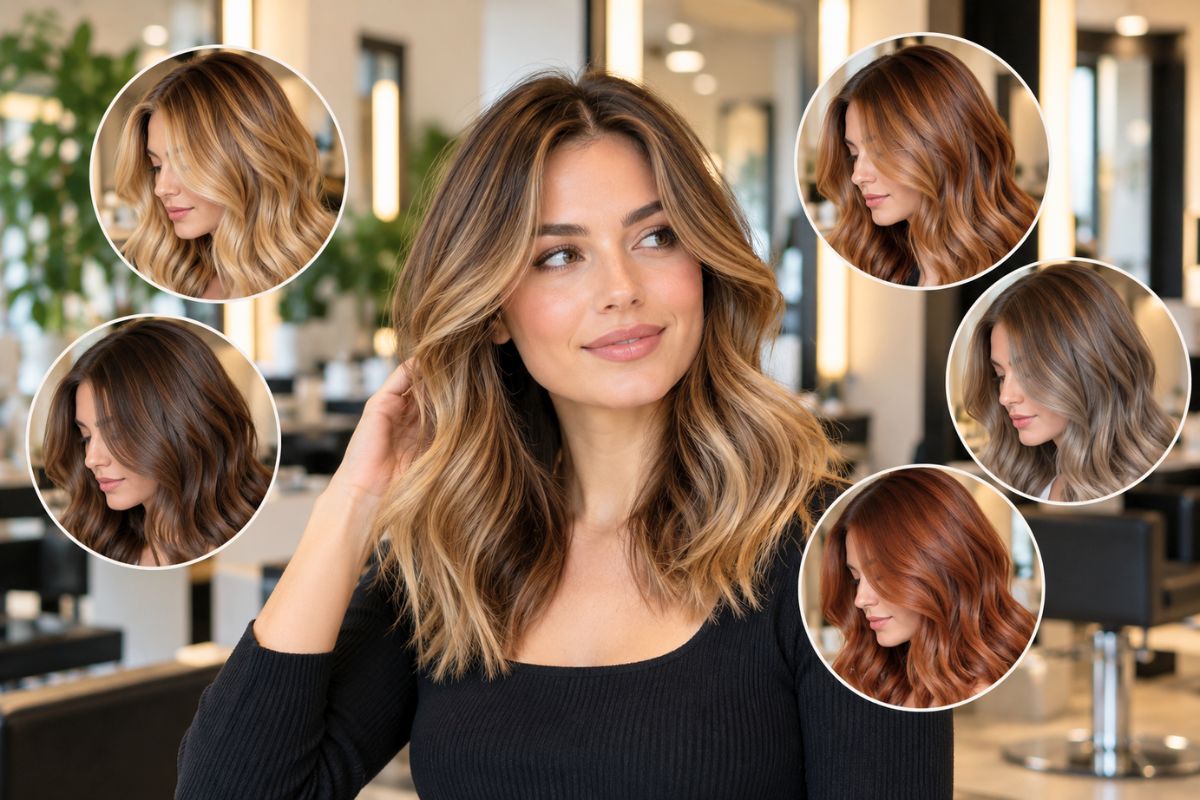
- For warm undertones, explore shades such as golden brown, honey, caramel, copper, and auburn.
- For cool undertones, consider ashy, beige, and cool brown shades with less golden warmth.
- For neutral undertones, both warm and cool color families may work.
These are starting points, not rules. Your natural hair color, eye color, desired contrast, and personal preference also matter.
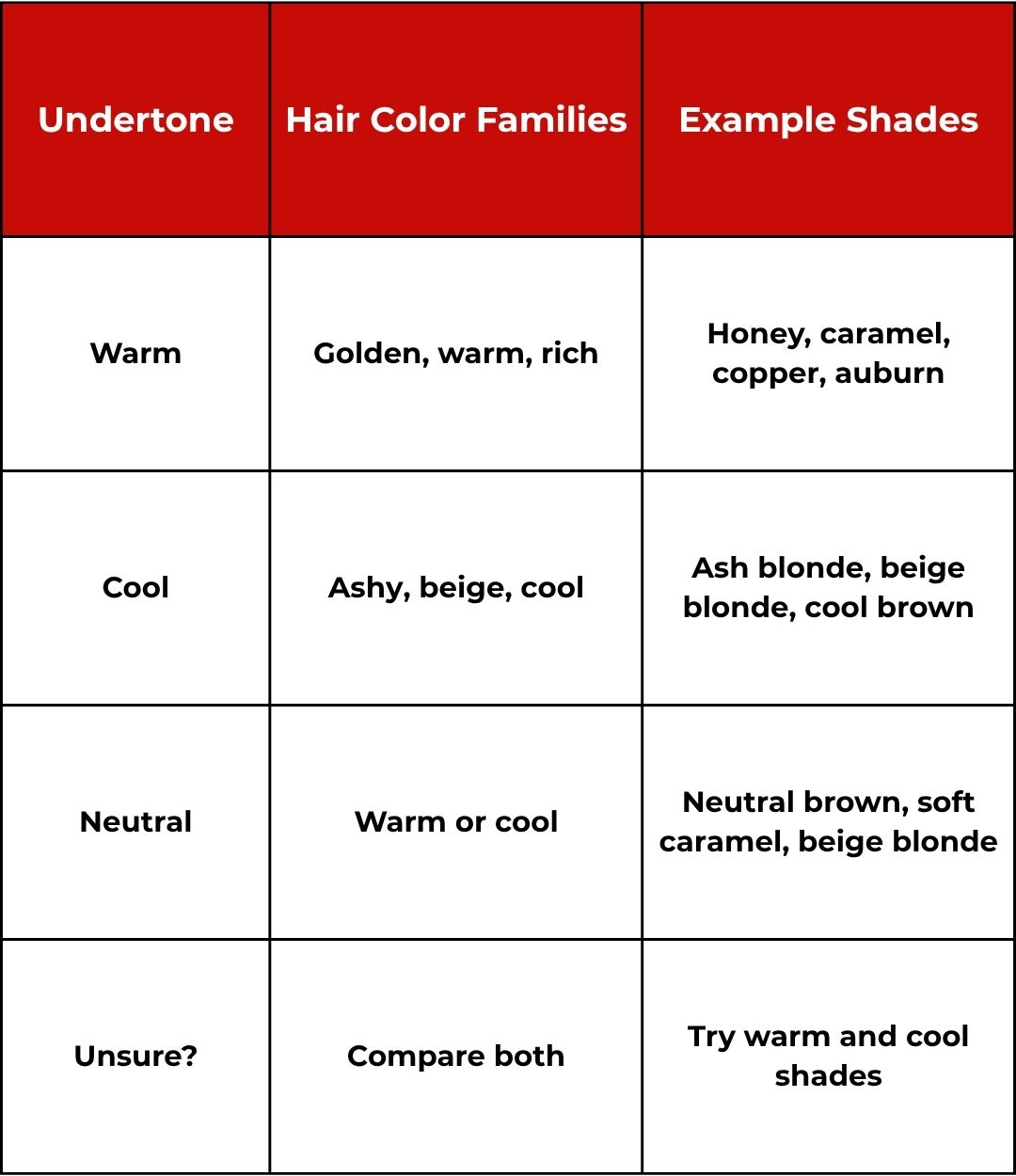
These are general guidelines. Your natural hair color, eye color, desired contrast, and color history can also affect the result.
Consider Your Natural Hair Color
Your current hair color matters as much as the shade you want. The same color can look very different on light blonde hair compared with dark brown hair.
Why Your Starting Hair Color Matters
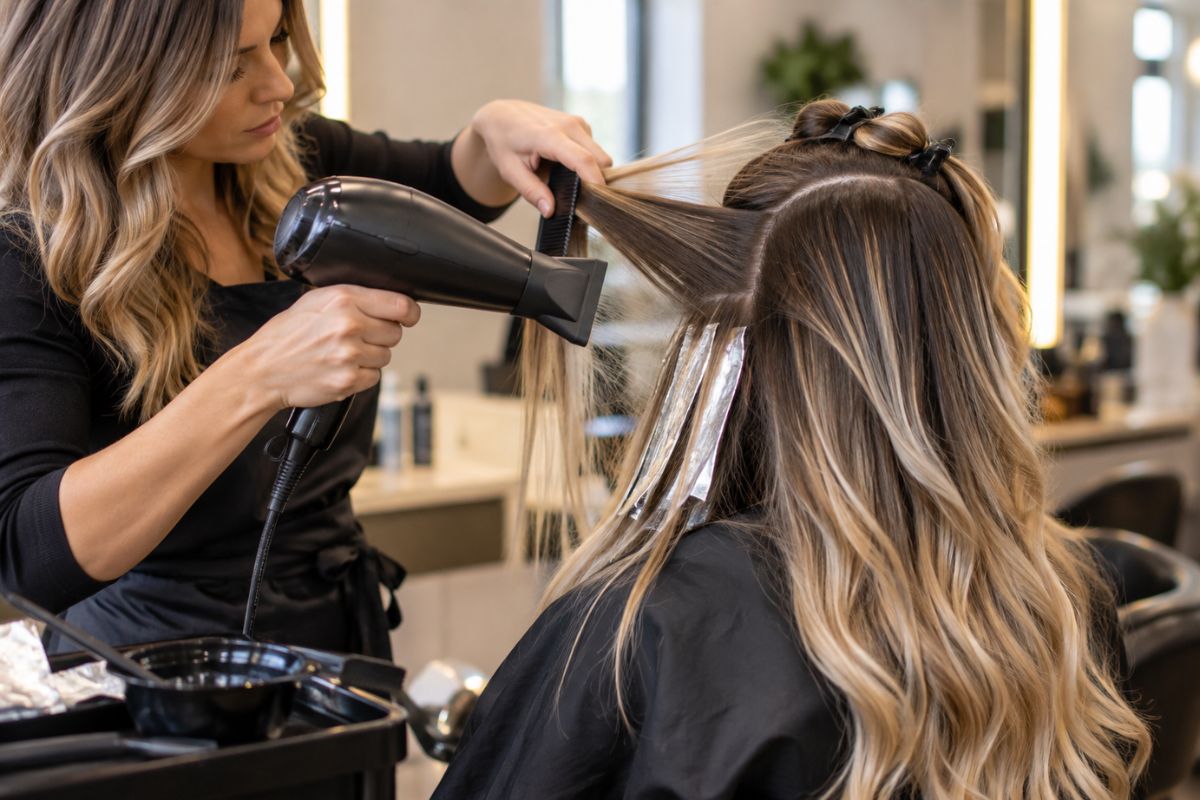
Natural and previously colored hair can respond differently to color services. Bleach, highlights, and previous color treatments can all affect the final result.
The same target shade may also require a different process depending on your starting point. Going from medium brown to a slightly lighter shade is very different from going from dark brown to platinum blonde.
Treat online color swatches and inspiration photos as references, not guarantees. If your hair has been previously colored, tell your stylist what treatments it has undergone so they can set realistic expectations.
How Dramatic a Change Do You Want?
A subtle change might involve adding warmth, going slightly lighter or darker, or enhancing your natural color with highlights or dimensional techniques.
A major transformation, such as going from dark brown to blonde, can require multiple sessions and more intensive processing, depending on your starting color, hair condition, and desired result.
The bigger the change, the more important it is to consider your hair’s condition, color history, maintenance needs, and the process required to achieve the result.
Does Eye Color Affect Which Hair Color Suits You?
Eye color can influence how a hair shade looks around your face, but it should be a secondary consideration rather than the deciding factor.
Choosing Hair Colors That Complement Your Eye Color
- For blue or green eyes, warmer tones such as brown, gold, copper, or red can create contrast, while cooler shades may produce a softer effect.
- For brown or hazel eyes, rich brunette, caramel, and auburn shades can complement their natural depth.
These are not fixed rules. Eye color works alongside your complexion, undertone, natural hair color, and desired contrast.
Why Eye Color Should Not Be the Only Factor
A shade may complement your eyes but still create more or less contrast than you prefer or require more maintenance than you want.
Use eye color as a secondary filter after considering your skin tone, undertone, and natural hair color.

What Hair Color Best Suits Me for My Lifestyle?
A color can look great but still be impractical if regular upkeep does not fit your routine.
When considering what hair color best suits me, think about how much time, money, and effort you are willing to invest in maintaining it.
Low-Maintenance Hair Color Options
Staying close to your natural hair color can make regrowth less noticeable. Blended color, highlights, and dimensional techniques can also soften the transition between your roots and colored sections.
A dramatic shift, such as going very light blonde, may require more frequent lightening and toning than a shade closer to your natural base.
How Often Will You Want to Maintain Your Color?
Before choosing a shade, consider:
- How often you are willing to visit the salon
- Whether visible root growth bothers you
- Whether the color requires regular toning or refreshing
- Whether you are willing to adjust your hair-care routine
- Whether the upkeep fits your schedule and budget
Choosing a color that fits your lifestyle makes it easier to maintain over time.
How Can I Test a Hair Color Before Committing?
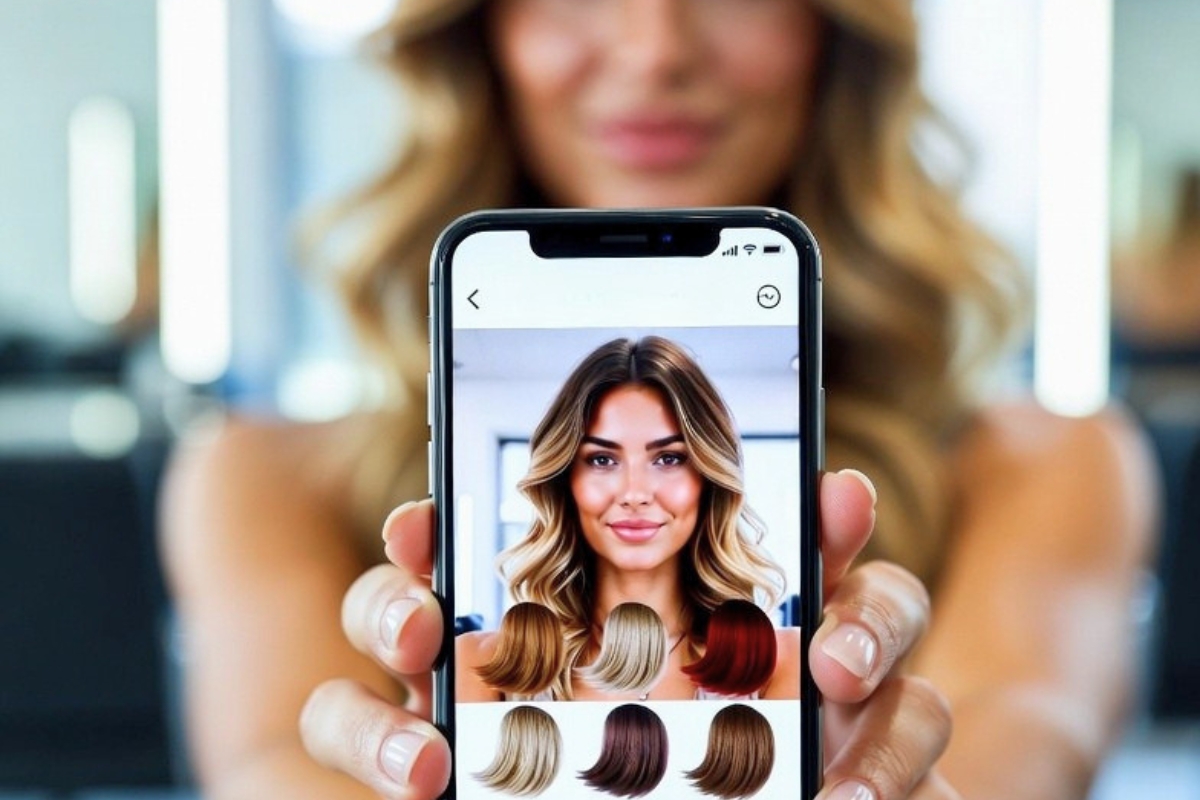
Virtual hair color tools can help you compare shades before making a permanent change.
Use a Virtual Hair Color Try-On
A virtual try-on can help you preview different color families, compare shades, and identify options to discuss with a stylist. Salon Suites Wellington also offers a guide to hair color try-on tools to help you explore potential shades.
Compare several options rather than relying on a single image. Differences in warmth, depth, and contrast can change the overall effect.
Why Virtual Results May Differ From the Final Color
A virtual preview cannot fully account for your natural starting color, underlying pigment, previous treatments, hair condition, lighting, or the professional formula used.
Treat a virtual try-on as a planning tool, not a guarantee. Your chosen preview can still serve as a useful reference when consulting a professional colorist.
When Should You Consult a Professional Hair Colorist?
Professional advice is especially useful when you’re making a dramatic change or have a complicated color history.
Major Color Changes and Lightening
Consider professional advice for major transformations, significant lightening, platinum blonde, or complex color techniques.
Taking dark hair to a very light shade can require multiple rounds of lightening and toning, depending on the starting color, hair condition, and desired result.
Previously Colored or Chemically Treated Hair
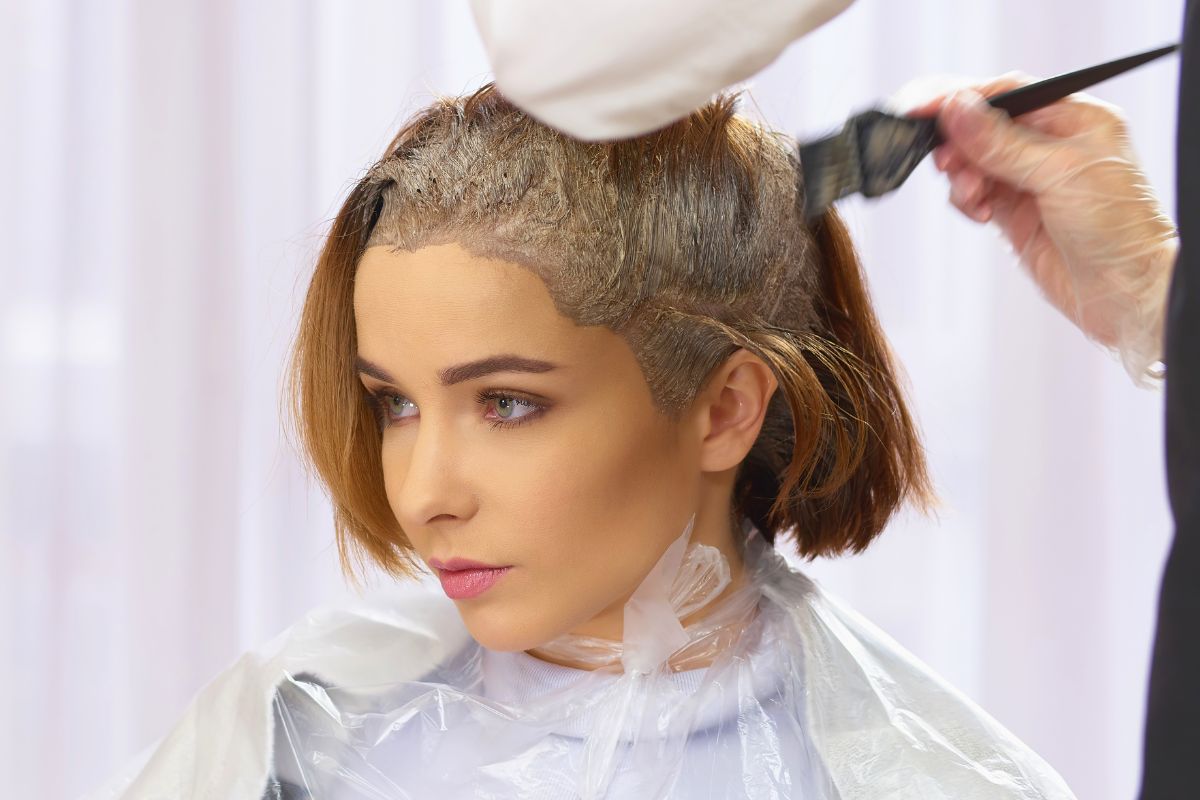
Tell your stylist about previous dye, bleach, highlights, chemical treatments, or color corrections. Existing color can affect what’s achievable and how much processing your hair will need.
Discussing Your Desired Result and Maintenance
Bring reference photos and be prepared to discuss:
- Your preferred color and tone
- Your current hair color
- Previous treatments
- Maintenance expectations
- Whether your desired result is achievable in one appointment
A consultation is also an opportunity to discuss your hair characteristics, the coloring process, and the upkeep involved.
Frequently Asked Questions
What hair color suits me best for my skin tone?
Start with your undertone, then consider your natural hair color, eye color, desired contrast, and personal preference. Undertone can narrow your options, but it doesn’t determine one universally flattering shade.
How do I know if warm or cool hair color suits me?
Check your complexion in natural light and use undertone clues as a starting point. Vein color can offer a rough indication, but it’s not conclusive. Comparing shades or consulting a professional can provide more useful guidance.
What hair color suits me if I have a neutral undertone?
Neutral undertones can work with both warm and cool color families. Your natural hair color, eye color, desired contrast, and maintenance preferences can help narrow the choices.
Does my eye color affect which hair color suits me?
Yes, but it’s only one factor. Eye color can influence contrast and overall appearance, while skin undertone, natural hair color, and personal preference also matter.
What hair color is easiest to maintain?
Colors close to your natural base can make regrowth less noticeable, while blended techniques can soften the grow-out effect. Maintenance depends on the shade, technique, and starting hair color.
Can I use a virtual hair color try-on before dyeing my hair?
Yes. Virtual tools can help you compare shades and communicate your preferences to a stylist. Digital previews cannot fully account for your hair’s individual characteristics, so the final result may differ.
Should I ask a stylist which hair color suits me?
A professional consultation is particularly valuable for major color changes, significant lightening, or previously treated hair. A stylist can assess your starting point, set realistic expectations, and explain the maintenance involved.
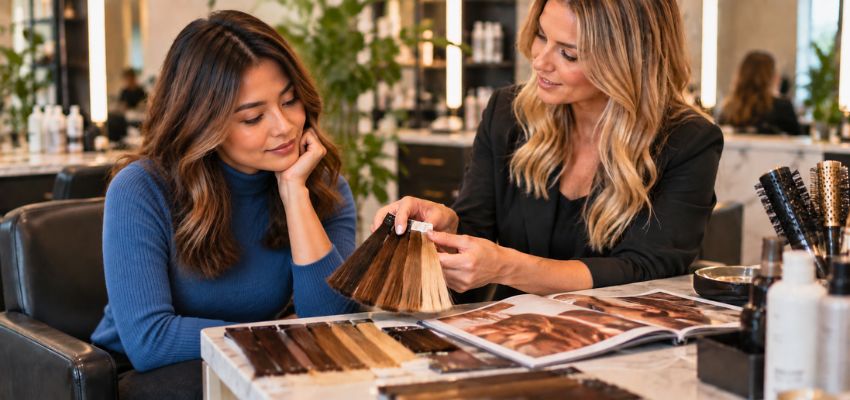
Find the Hair Color That Works for You
Choosing the right hair color comes down to how several factors work together rather than finding one perfect shade. Start with your skin tone and undertone, then consider your natural hair color, eye color, desired level of change, and maintenance preferences. Shortlist a few shades before committing to one.
A virtual hair color preview can help you compare options, while a professional consultation can confirm whether your preferred shade is achievable with your current hair.
For more hair color ideas and practical beauty advice, visit Salon Suites Wellington to explore additional resources before your next color change.
Rent Salon Space In Wellington Florida
Rent salon space in Wellington with us. Whether you’re a hairstylist, nail technician, or any other beauty professional, we provide the ideal environment to help your business thrive. Our Wellington salon suites offer a wide range of benefits, including complimentary cleaning services, flexible lease terms, and a welcoming atmosphere designed to make your clients feel at home. Elevate your career and build your brand by leasing salon space in Wellington.

About The Author
Meet Rei Bayucca, a professional writer and passionate expert in all things related to beauty. Every article is purposely designed to assist you in tackling your most challenging dilemmas. Rei’s knack for creating engaging content is guaranteed to ignite your curiosity.