Bad Eyelash Extensions: 7 Signs to Watch For
Published November 23, 2026
Eyelash extensions should enhance your natural lashes without causing discomfort. Uneven placement, excessive weight, and clumping may indicate poor application. Premature shedding can also be a warning sign.
Some extension loss is normal as natural lashes shed. This guide covers seven signs of bad eyelash extensions and explains how to recognize poor application and what to do next.
7 Signs of Bad Eyelash Extensions
Some problems are visible immediately. Others become noticeable when you brush your lashes, blink, or experience discomfort.
1. Your Eyelashes Stick Together or Feel Difficult to Brush
If you struggle to brush your lashes without pulling or discomfort, poor application may be the cause.
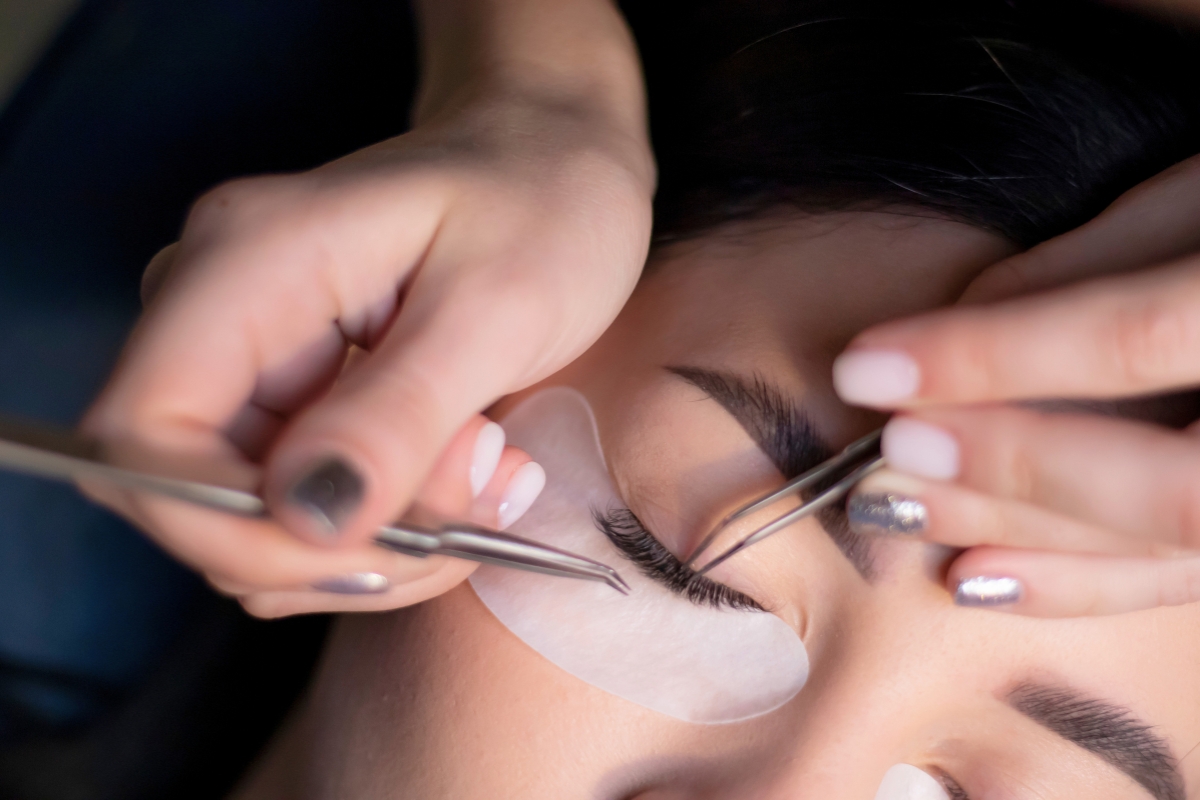
A technician should isolate each natural lash before attaching an extension. Poor isolation or too much adhesive can cause multiple natural lashes to stick together.
Watch for these signs:
- Two or more natural lashes move together when brushed.
- Visible adhesive connects neighboring extensions.
- You feel pulling as your lashes move or grow.
- You have difficulty brushing your lashes gently with a clean spoolie.
Natural lashes grow and shed at various rates. When bonded together, they can pull against each other, causing discomfort or breakage.
2. Your Extensions Poke, Twist, or Irritate Your Eyes
Extensions should not constantly poke your eyelids or rub against your eyes. Twisted, drooping, or incorrectly directed lashes may indicate poor placement.
These problems can result from incorrect angles or placement too close to the eyelid. Unsuitable extension dimensions may also contribute.
Common warning signs include:
- Extensions pointing toward your eyelid or eyeball.
- Individual lashes twisting or crossing over neighboring extensions.
- Extensions rubbing against your skin when you blink.
- Persistent scratching or poking sensations.
Extensions that are too long or heavy may rotate or droop. Contact your technician if irritation continues. Do not reposition the extensions yourself. Seek medical advice for persistent eye discomfort.
3. Your Inner-Corner Extensions Look Too Long or Unnatural
Inner-corner lashes are often shorter and finer than other natural lashes. Extensions that are too long or heavy may look droopy. They can also create an unbalanced appearance.
A well-planned set considers natural lash length, density, and direction. If your inner-corner extensions look noticeably heavier, ask your technician to assess them.
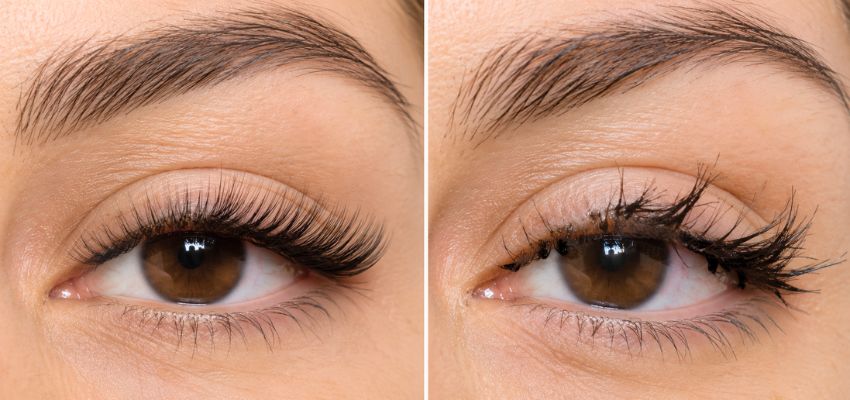
4. Your Eyelash Extensions Look Uneven or All the Same Length
Uneven extensions may indicate poor lash mapping or inconsistent application.
Lash mapping involves planning extension lengths and curls across the lash line. This helps create the intended style. Poorly executed mapping may result in:
- One eye looking noticeably different from the other.
- Gaps or uneven density.
- Extensions pointing in inconsistent directions.
- A bulky or unbalanced appearance.
Uniform lengths do not automatically indicate poor application. Some styles use similar lengths throughout the set intentionally. What matters more is proper placement and balance. The extensions should suit your natural lashes.
5. Your Eyes Burn, Water, or Become Irritated
Eye irritation during an appointment may result from adhesive exposure. Contact with under-eye pads or tape can also cause irritation. An allergic reaction to adhesive ingredients is another possibility.
Symptoms alone cannot confirm the cause. Seek medical advice if burning, redness, or swelling persists.
Watch for:
- Persistent burning or stinging.
- Redness that does not improve.
- Itching around the eyelids.
- Swollen or puffy eyelids.
- Excessive watering or discharge.
The American Academy of Ophthalmology identifies several potential complications of eyelash extensions. These include allergic reactions, infections, and eyelid or corneal injuries.
Seek medical advice if symptoms endure or worsen. Significant eye pain, light sensitivity, discharge, or vision changes need prompt attention from an eye-care professional.
6. Your Eyelash Extensions Fall Out Too Quickly
Losing a few extensions is normal. Natural eyelashes grow and shed as part of their natural cycle.
However, unusually rapid or uneven loss may indicate a retention problem. Causes include:
- Insufficient adhesive bonding.
- Poor placement or application technique.
- Excessive rubbing or pulling.
- Aftercare practices that interfere with adhesive retention.
Fine or fragile natural lashes may also affect how well extensions stay in place.
Do not judge retention by a specific number of days. Look at the overall shedding pattern. If large sections become noticeably sparse soon after your appointment, contact your technician.
7. Your Extensions Look Clumpy, Bulky, or Too Heavy
Extensions should look balanced and suit the natural lashes supporting them. An excessively thick or stiff lash line may indicate poor application or extensions that are too heavy for your natural lashes.
Look for:
- Large adhesive deposits around the lash roots.
- Multiple extensions stuck together.
- Heavy clusters that look uneven.
- Natural lashes drooping under the extension weight.
- A dense appearance that does not match your requested style.
Volume lash fans are designed to create fullness and may look denser than classic extensions. However, a full-looking set is not automatically poorly applied. The extensions should be properly attached, appropriately sized, and feel comfortable.
Good vs. Bad Eyelash Extensions: What Are the Differences?
Good extensions should complement your eye shape. They should also feel comfortable and suit your natural lashes.
Look for these characteristics:
- Appearance: Good extensions look balanced. Poor application may appear uneven or excessively bulky.
- Comfort: Properly applied extensions should not cause pulling, poking, or scratching.
- Placement: Extensions should follow the intended lash direction. They should not twist, droop, or rub against the eyelid.
- Weight: Extensions should match the length, thickness, and condition of your natural lashes.
- Adhesive: Application should not leave large visible deposits or bond neighboring lashes together.
- Retention: Some shedding is normal. Unusually rapid or uneven loss may indicate a problem.
What Proper Lash Isolation Should Look Like
Lash isolation involves separating each natural lash before attaching an extension. Poor isolation can cause multiple lashes to stick together.
These bonded lashes may pull against each other as they grow and shed at different rates, leading to twisting and discomfort.
How Extension Length and Weight Affect Application Quality
Longer or thicker extensions are not automatically better. Each extension should suit the natural lash supporting it.
An extension that’s too heavy can place unnecessary stress on a natural lash, contributing to drooping, twisting, or discomfort.
A qualified technician should consider your natural lash length, thickness, and condition when choosing extensions to achieve your requested style without unnecessary strain on your natural lashes.
Can Bad Eyelash Extensions Damage Your Natural Lashes?
Yes. Poorly applied extensions can damage natural lashes. The risk is higher when extensions are too heavy, poorly attached, or bonded to neighboring lashes.
Natural Lash Breakage and Excessive Shedding
Poorly applied extensions can create mechanical stress. Bonded lashes may pull against each other as they grow and shed. Excessive extension weight can also add tension on natural lashes.
Repeated pulling or rubbing can worsen the problem. Attempting to remove extensions yourself can also cause damage. The American Academy of Ophthalmology warns that rubbing, tugging, and pulling at extensions can break natural lashes and damage their follicles.
Signs Your Natural Lashes Have Been Damaged
Look for changes from your usual lash condition:
- Noticeable thinning or gaps: Areas of your lash line appear less dense.
- Broken or unusually short lashes: Natural lashes look uneven or appear to have snapped.
- Persistent pulling or discomfort: Extensions tug on your natural lashes when you blink or brush them.
These signs don’t automatically confirm permanent damage. Natural shedding and other conditions can affect lash density. If thinning or breakage continues after extension removal, consult a professional.
What Should You Do If You Have Bad Eyelash Extensions?
The appropriate next step depends on the problem and may involve appearance, attachment, or eye irritation.
Avoid Pulling or Removing Extensions Yourself
Never pull, pick, or forcibly remove extensions stuck together or irritating your eyes. This can break natural lashes or injure the delicate eyelid area. If you notice poor placement, too much adhesive, or extensions that are too heavy, ask a qualified lash professional for safe removal.
If you suspect an allergic reaction, do not attempt removal yourself. Contact an ophthalmologist promptly. The American Academy of Ophthalmology warns that removing extensions during an allergic reaction can damage your eyes further.
Contact Your Lash Technician About the Problem
Contact your technician if you see bonded lashes, uneven placement, or twisting. Also reach out if there’s too much adhesive or your lashes shed early.
Clear photographs can help document the problem. Your technician can recommend a correction or professional removal. However, don’t continue wearing extensions that cause persistent discomfort.
Seek Medical Attention for Persistent Eye Irritation
Contact an eye-care professional if you experience persistent redness, itching, swelling, pain, or discharge. Significant eye pain, light sensitivity, or vision changes require prompt evaluation.
Avoid rubbing your eyes or applying products around an irritated lash line. The FDA’s eye cosmetic safety guidance recommends stopping use of eye cosmetics that cause irritation. It advises consulting a healthcare provider if symptoms persist.
A lash technician can assess your extensions. However, an appropriate healthcare professional must evaluate and diagnose an eye condition.
Frequently Asked Questions
How soon can you tell if you have bad eyelash extensions?
Uneven placement, clumping, twisting, and discomfort may be noticeable immediately. Premature shedding and irritation may appear over the next hours or days. Pay attention to symptoms that persist or worsen.
Is it normal for eyelash extensions to hurt after application?
No. Mild watering or temporary irritation may occur during or shortly after an appointment. Persistent pain, pulling, scratching, or burning should not be considered normal. Contact your technician about application problems and seek medical advice if eye symptoms continue.
Can bad eyelash extensions be fixed without removing them?
It depends on the problem. A qualified technician may correct minor cosmetic concerns. Heavily clumped, improperly bonded, or excessively heavy extensions may require professional removal. Eye irritation or suspected allergic reactions should be evaluated medically.
Will bad eyelash extensions damage your natural lashes?
They can. Excessive weight, poor isolation, and improper attachment may cause natural lash breakage. Pulling or forcibly removing extensions can also cause damage. Have a professional assess persistent thinning or broken lashes.
Know When Your Eyelash Extensions Need Professional Attention
Clumping, twisting, uneven placement, and excessive weight indicate poor application. Persistent discomfort is another warning sign. Well-applied extensions should complement your natural lashes without causing pulling or irritation.
Contact a qualified lash technician about application problems and seek medical advice if you experience constant eye symptoms. Spotting these warning signs helps protect your natural lashes and guides future appointments.
Want to learn more about lash concerns and beauty services? Visit the educational articles and professional beauty resources at Salon Suites of Wellington.
Rent Salon Space In Wellington Florida
Rent salon space in Wellington with us. Whether you’re a hairstylist, nail technician, or any other beauty professional, we provide the ideal environment to help your business thrive. Our Wellington salon suites offer a wide range of benefits, including complimentary cleaning services, flexible lease terms, and a welcoming atmosphere designed to make your clients feel at home. Elevate your career and build your brand by leasing salon space in Wellington.

About The Author
Hi, I’m Corinne Grace, a nursing graduate from Riverside College who writes for hairstylists, estheticians, and beauty professionals building their own businesses. My professional background shapes how I write about the business side of running a salon suite. I write for beauty pros who want practical advice they can put to work.