Are Essential Oils Safe for Skin? What You Need to Know
Published September 11, 2026
Not all essential oils are safe for every person, skin type, or situation. Essential oils can cause irritation, allergic contact dermatitis, or other skin reactions when applied topically. Some essential oils and their constituents can also trigger phototoxic skin reactions. This happens when they’re applied to the skin and then exposed to ultraviolet (UV) light.
That does not mean every skincare product with essential oil is unsafe. Risk varies by the specific oil, concentration, formulation, application area, and individual sensitivity. To minimize risk, always follow directions for products made for topical use. Avoid using concentrated essential oils in ways not intended by the manufacturer.
What Are Essential Oils?
Essential oils are concentrated mixtures of volatile aromatic compounds extracted from plant material through distillation, expression, or other extraction methods. They’re commonly used in fragrances, cosmetics, aromatherapy, and other personal care products.
Essential oils contain numerous chemical constituents, some of which are known fragrance allergens. Repeated exposure can also lead to sensitization and allergic contact dermatitis.
Why Can Essential Oils Irritate the Skin?
Concentration is a key factor. Essential oils contain concentrated volatile constituents from the source plant. Applying undiluted oil directly to the skin exposes it to high concentrations of individual compounds.
Topical exposure can lead to several types of reactions, including:
- Irritant contact dermatitis, caused by direct irritation or damage to the skin
- Allergic contact dermatitis, an immune reaction that can occur after the skin becomes sensitized to an ingredient
- Photocontact dermatitis, which happens when substances on the skin react with UV or visible light. This includes both phototoxic and photoallergic reactions.
- Eye and mucous membrane irritation, particularly with concentrated oils
Symptoms may include itching, redness, scaling, burning, swelling, and eczema-like changes. People with frequent occupational exposure to essential oils may also have a higher risk of sensitization.
Are All Essential Oils Safe for Skin?
No. There’s no universal list of essential oils that are safe for everyone to apply directly to their skin.
An oil one person tolerates well may cause irritation or an allergic reaction in another. For this reason, it’s more useful to consider how an essential oil is formulated and used than to label it simply as “safe” or “unsafe.”
Using an essential oil as a fragrance or cosmetic ingredient is very different from applying a concentrated essential oil directly to the skin. However, formulated products can still cause irritation or allergic reactions in susceptible people.
Always follow the directions on any commercial skincare product that contains essential oils. Do not add extra essential oil on your own.
Is It Safe to Put Essential Oils Directly on Your Skin?
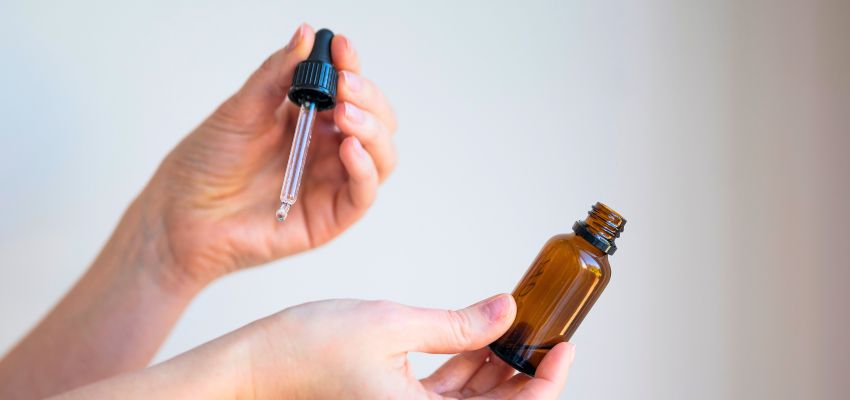
Applying neat or undiluted essential oils directly to the skin is generally not recommended.
Concentrated oils can cause irritation and sensitization. Using a properly formulated product with an appropriate concentration reduces your exposure to concentrated oil. However, it doesn’t eliminate the risk of irritation or allergic reactions.
The right concentration depends on several factors. These include the specific oil, its intended use, the area of application, and the formulation. No single dilution percentage should be treated as a universal rule.
For topical use:
- Choose products intended specifically for skin application.
- Follow the manufacturer’s directions.
- Avoid adding concentrated essential oils to skincare products unless you know the correct final concentration.
- Keep essential oils away from the eyes and other sensitive areas.
- Stop using the product if you notice burning, itching, redness, swelling, or any other unusual reaction.
Some Essential Oils Can React With Sunlight
Some essential oils, especially certain expressed citrus oils, contain furocoumarins and other phototoxic constituents. These compounds cause a skin reaction when applied and then exposed to ultraviolet (UV) light. The risk depends on the specific oil, preparation, concentration, amount applied, and the intensity and duration of UV exposure.
A phototoxic reaction can cause inflammation and other skin changes after UV exposure. Not all citrus oils carry the same phototoxic risk. A citrus label alone does not tell you how safe an oil is.
If a product includes a sun-exposure warning, follow it carefully. When in doubt, avoid applying potentially phototoxic products to skin that may be exposed to sunlight. Consult a qualified healthcare professional for guidance on any specific product you’re considering.
Skin-Safety Considerations for Common Essential Oils
The examples below illustrate why essential-oil safety must be evaluated on a case-by-case basis. They’re not a complete list of oils that are safe or unsafe for topical use.
Tea Tree Oil
Tea tree oil has been studied as a topical acne treatment. Evidence suggests it may provide modest benefit. However, larger, higher-quality studies are needed to confirm its clinical role and long-term safety. It can cause allergic contact dermatitis in susceptible individuals. For acne or other skin concerns, a properly formulated skincare product may be preferable to applying concentrated oil directly.
Lavender Oil
Lavender oil is widely used in skincare and personal-care products, but its popularity doesn’t make it risk-free. It’s linked to contact allergy and can cause reactions in susceptible individuals. Widespread use in cosmetics or aromatherapy doesn’t prove an ingredient is suitable for everyone.
Peppermint Oil
Peppermint oil produces a strong cooling sensation. However, this doesn’t mean it suits irritated skin. It can cause irritation or allergic contact reactions, especially in concentrated form. Keep it away from eyes and mucous membranes.
Eucalyptus Oil
Eucalyptus oil is widely used for its distinctive aroma. However, it can cause skin irritation or contact dermatitis, especially with concentrated exposure. Keep it away from eyes and other sensitive areas.
Who Should Be More Cautious With Essential Oils?
Some people are more prone to skin reactions. Take extra care if you have:
- Sensitive or easily irritated skin
- Eczema or another existing skin condition
- A history of fragrance or cosmetic allergies
- A history of contact dermatitis
- Regular occupational exposure to essential oils or fragranced products
If you’re pregnant or breastfeeding, consult a qualified healthcare professional before using concentrated essential oils. The same applies if you have a medical condition or take medications that could affect your treatment. If considering an essential-oil product for a child, seek age-appropriate medical guidance. Don’t rely on a general essential-oil safety list.
Should You Patch-Test an Essential Oil?
Applying a small amount of a new skincare product to a limited area can reveal obvious reactions before wider use. However, this doesn’t guarantee safety with repeated or widespread exposure.
Allergic contact dermatitis can develop after sensitization. This means a person may tolerate an ingredient at first but react after later exposure. Irritation can also develop without an allergic reaction.
Consumer product testing is different from formal patch testing. A dermatologist can perform controlled patch testing to identify suspected allergens and investigate allergic contact dermatitis. If you experience recurrent or unexplained skin reactions, a dermatologist can help determine whether formal evaluation or patch testing is appropriate.
What Should You Do If an Essential Oil Causes a Skin Reaction?
If an essential oil product causes burning, itching, redness, swelling, or any other unexpected reaction:
- Stop using the product.
- Gently wash the affected area to remove any remaining product.
- Avoid applying other fragranced or potentially irritating products to the affected area.
- Seek medical advice if the reaction is severe, persistent, spreading, or worsening.
Seek urgent medical attention for difficulty breathing, significant swelling of the face or throat, or other signs of a serious allergic reaction.
How to Use Essential Oils More Safely
If you choose products containing essential oils, a few precautions can reduce unnecessary exposure.
- Read the product label: Look for clear information about the product’s intended use, ingredients, directions, and warnings. Don’t assume “natural,” “organic,” or “plant-based” automatically means a product is safe for skin. Plant-derived ingredients can still cause irritation or allergic reactions.
- Avoid undiluted topical application: Use only products formulated for topical use. Follow the manufacturer’s directions carefully. Never apply concentrated essential oils directly to your skin.
- Be careful with sun exposure: Check product warnings about sunlight and UV exposure. This is especially important for products that contain potentially phototoxic ingredients.
- Keep essential oils away from children and pets: Store concentrated oils securely to prevent accidental ingestion or contact. Do not apply concentrated essential oils directly to pets. Animals respond differently to essential oils than humans. Exposure may cause toxic effects depending on the oil type, concentration, and exposure method.
- Be skeptical of medical claims: Essential oil products are often marketed for aromatherapy, fragrance, or cosmetic use. However, in the United States, rules change when a product claims to treat or prevent disease. Such claims determine whether a product is regulated as a cosmetic, a drug, or both. Marketing claims do not establish that an essential oil is an effective or appropriate treatment for a medical skin condition.
Are Essential Oils a Good Choice for Skincare?
Essential oils offer fragrance and sensory benefits, and some have been studied for topical uses. That said, being natural or popular in skincare doesn’t make an essential oil necessary or effective.
For common skin concerns, treatments with established evidence may offer a more predictable approach than using concentrated essential oils.
If you have acne, eczema, persistent irritation, or pigmentation concerns, speak with a dermatologist. They can assess your skin and recommend evidence-based treatments that are appropriate for your specific condition.
Frequently Asked Questions
Are essential oils safe for skin?
Not all essential oils are safe for every person or skin type. Concentrated or improperly used oils can cause irritation, allergic contact dermatitis, and phototoxic reactions. Risk depends on the specific oil, concentration, formulation, application area, and individual sensitivity.
What essential oils are safe for skin?
There’s no universal list of essential oils safe for everyone. Even commonly used oils can cause irritation or allergic reactions. For topical use, choose products formulated for skin application and follow their directions rather than applying concentrated essential oils directly.
Can I use essential oils on my face?
Facial skin is close to the eyes and other sensitive areas. Avoid applying undiluted essential oils directly to your face. If you have sensitive skin, eczema, a history of cosmetic allergies, or recurring irritation, talk to a healthcare professional before using any essential oil product on your face.
Can essential oils cause a skin reaction in the sun?
Yes. Some essential oils can cause phototoxic skin reactions. This happens when the oil is applied to the skin and the skin is then exposed to ultraviolet (UV) light. Some expressed citrus oils are associated with this risk, although the level of risk varies by oil and preparation. Follow product-specific warnings about sun exposure.
What should I do if an essential oil irritates my skin?
Stop using the product and gently wash the affected area. If the reaction is severe, persistent, spreading, or worsening, seek medical attention. Get urgent medical help for difficulty breathing or significant swelling of the face or throat.
The Bottom Line: Are Essential Oils Safe for Skin?
Essential oils are not automatically safe for skin simply because they are plant-derived. Some essential oils can cause irritation or allergic contact dermatitis. Others may trigger phototoxic reactions when the skin is exposed to UV light.
If you choose a skincare product containing essential oils, select one formulated for topical use and follow the directions carefully. Avoid applying concentrated essential oils directly to your skin. Follow any sun-exposure warnings on the label. Stop using the product if you experience burning, itching, redness, swelling, or any other unexpected reaction. For persistent skin conditions or significant reactions, consult a qualified healthcare professional.
For beauty professionals providing skincare services, Salon Suites of Wellington offers private salon suites for a clean, comfortable client experience.
Rent Salon Space In Wellington Florida
Rent salon space in Wellington with us. Whether you’re a hairstylist, nail technician, or any other beauty professional, we provide the ideal environment to help your business thrive. Our Wellington salon suites offer a wide range of benefits, including complimentary cleaning services, flexible lease terms, and a welcoming atmosphere designed to make your clients feel at home. Elevate your career and build your brand by leasing salon space in Wellington.

About The Author
Meet Rei Bayucca, a professional writer and passionate expert in all things related to beauty. Every article is purposely designed to assist you in tackling your most challenging dilemmas. Rei’s knack for creating engaging content is guaranteed to ignite your curiosity.