What Are Dip Powder Nails? Cost, Process, and Aftercare Guide
Published July 23, 2026
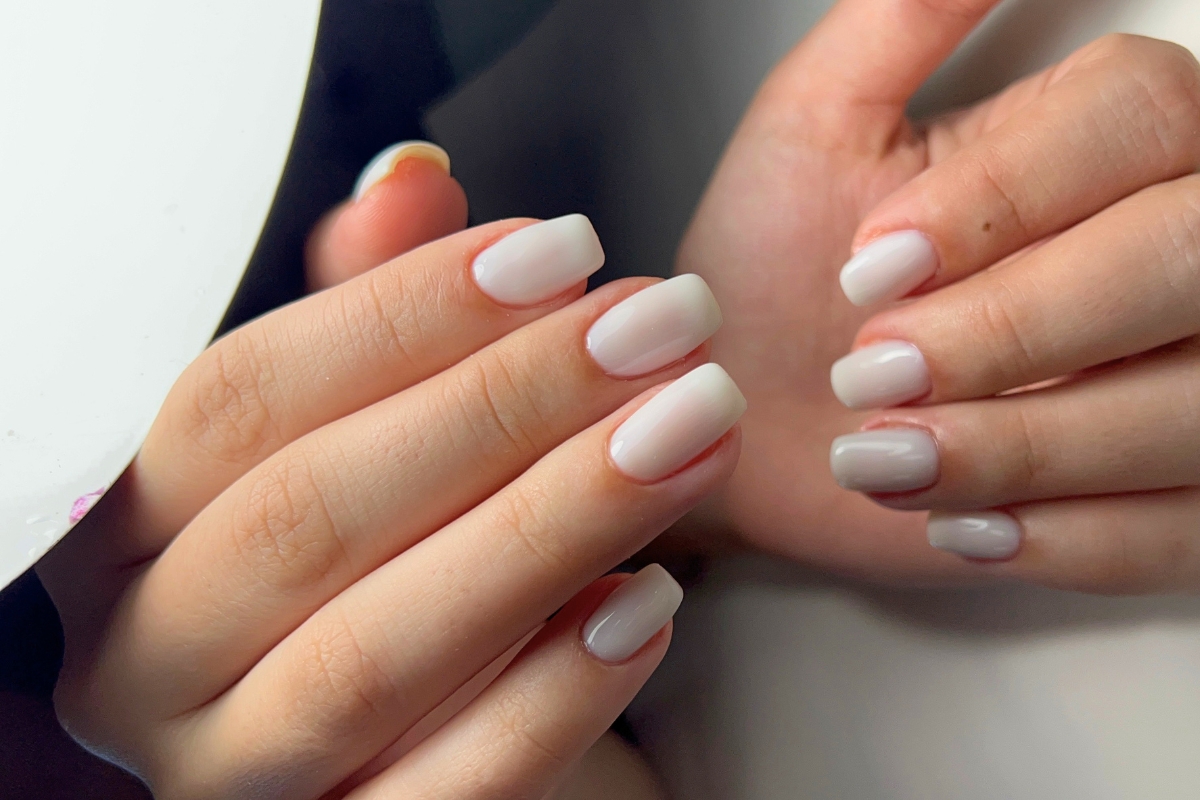
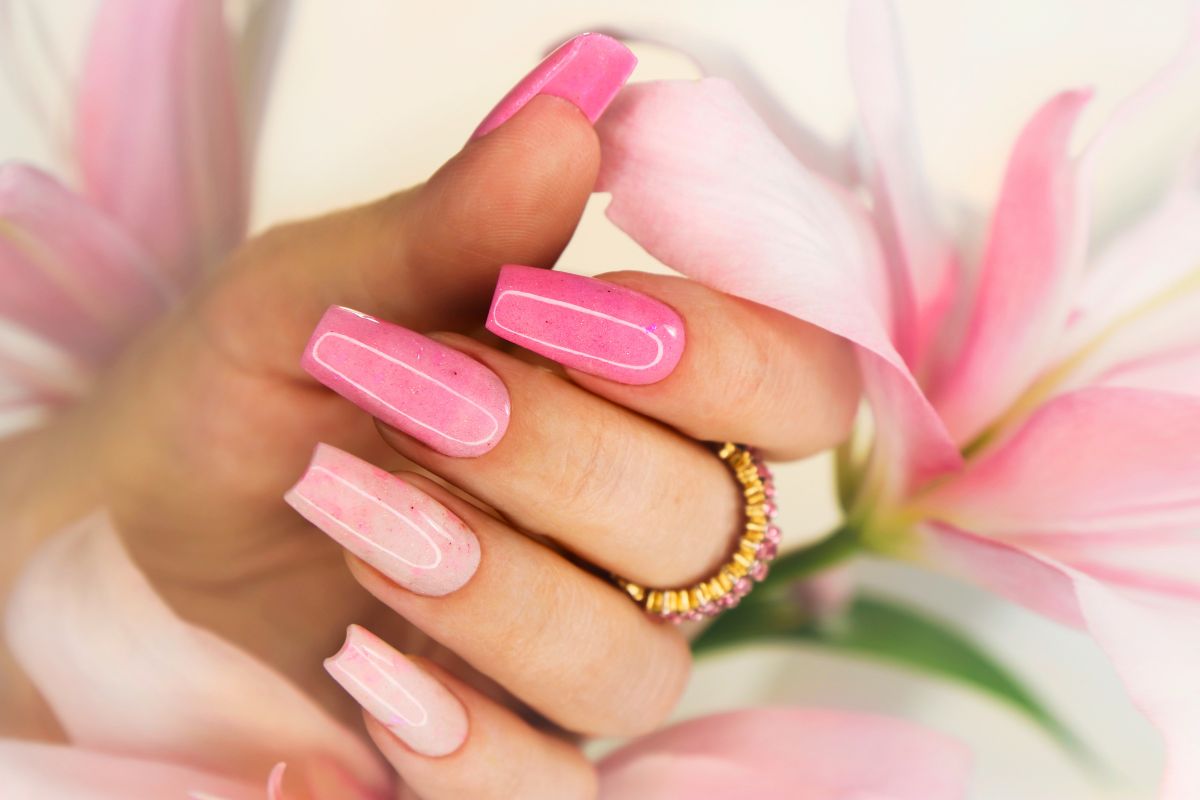
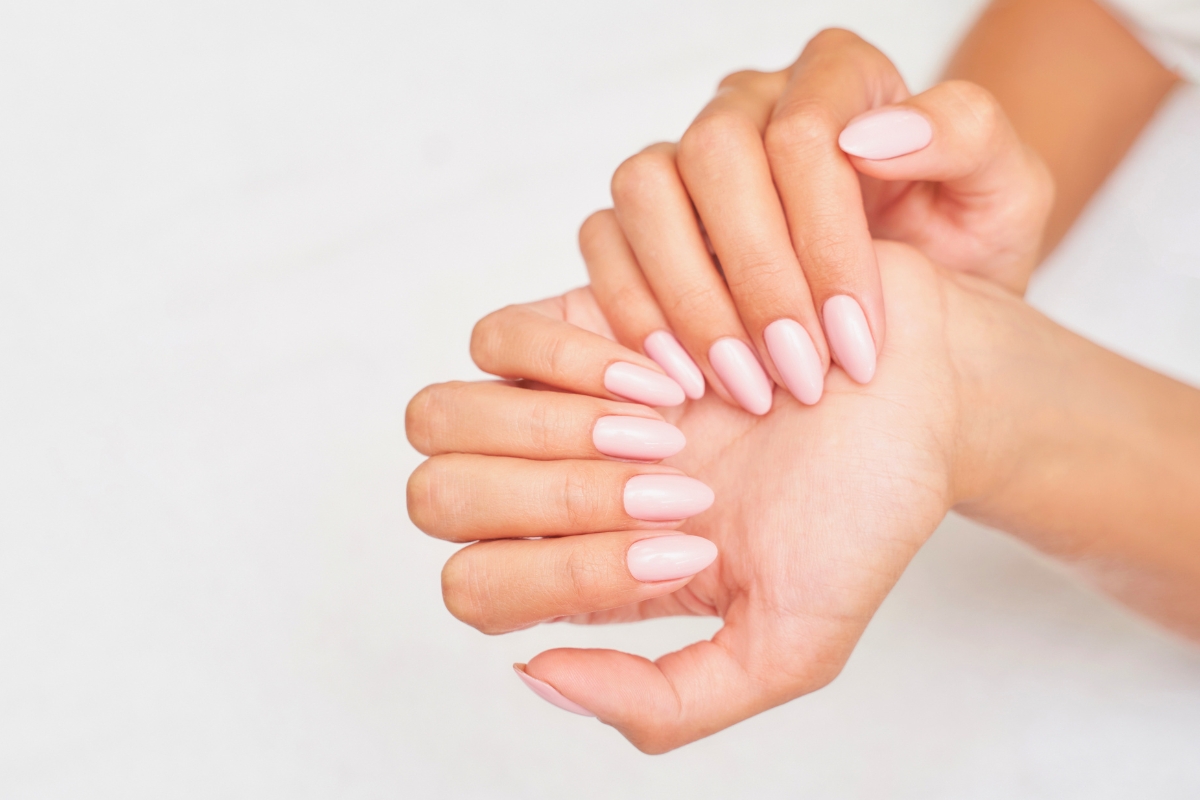
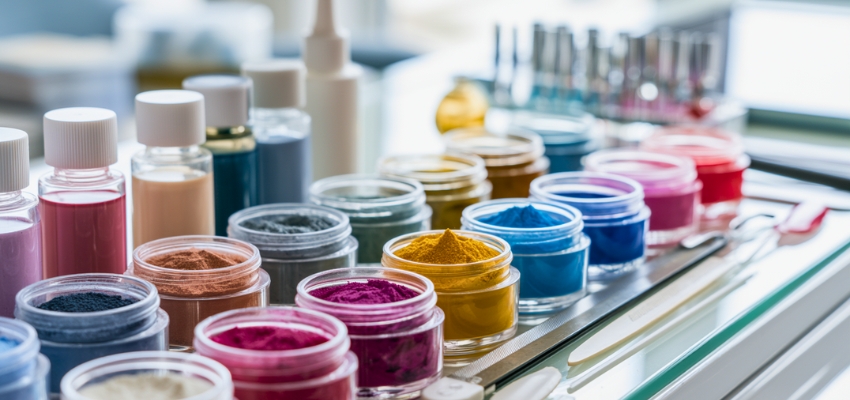
If you’ve ever wondered, “What is dip powder nails?”, you’re not alone. Walk into almost any nail salon today, and you’ll likely see rows of colorful powder jars lining the manicure stations. Their growing presence reflects just how popular dip powder nails have become. Known for their long-lasting wear and natural-looking finish, they’ve become a go-to option for clients who want a manicure that lasts longer than traditional polish.
Unlike gel manicures, dip powder hardens without a UV or LED lamp, making it an appealing option for anyone looking for an enduring manicure.
If you’re considering dip nails for the first time, you probably have a few questions. What exactly is dip powder? How is it applied? How much does it cost, and is it right for your nails? Here’s what you need to know before booking your next manicure.
What Is Dip Powder Nails?
What Is Dip Powder?
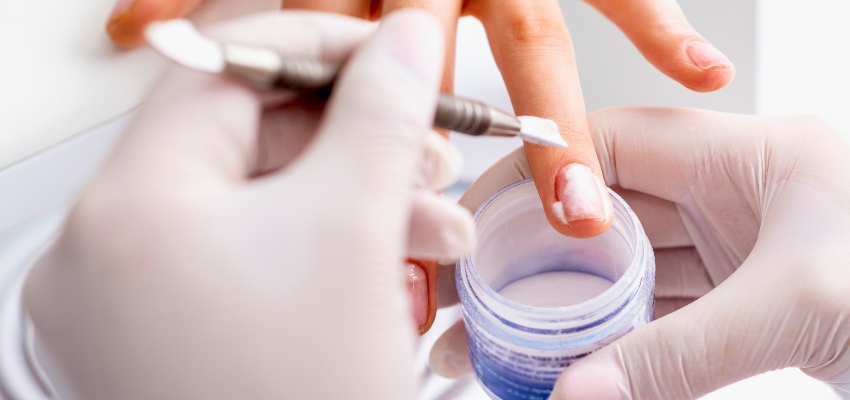
Dip powder is a nail enhancement system. It uses finely milled, pigmented acrylic powder and bonding liquids. Unlike traditional polish or gel, a nail technician first brushes on a bonding base. They then coat each nail with colored acrylic powder. There are two ways to apply the powder. The nail can be dipped directly into the powder, or the powder can be poured over the nail from a separate container. Many salons prefer the second method because it is more hygienic.
The technician repeats the process until the desired color, coverage, and strength are achieved. Once the powder is in place, an activator liquid triggers a chemical reaction that hardens the product within seconds. Because the powder hardens chemically rather than by light, there is no need for a UV or LED lamp.
What Is Dipping Powder for Nails?
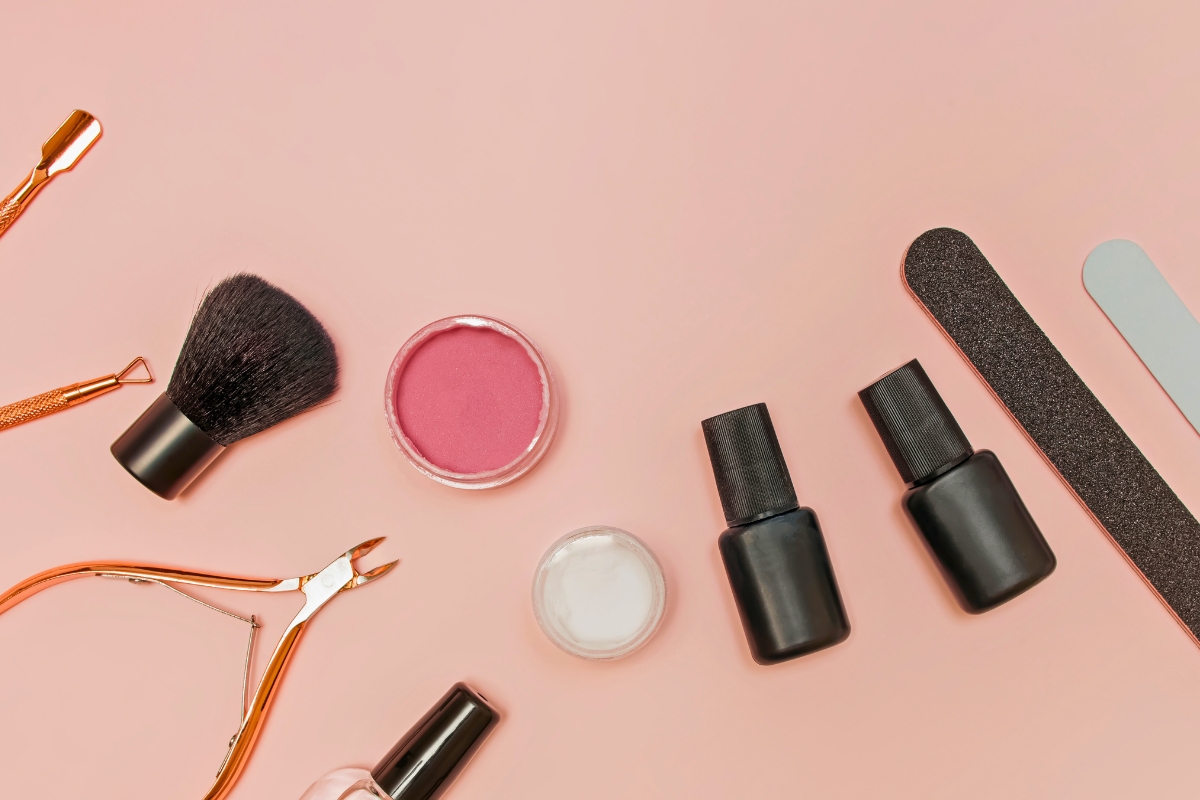
The dipping powder is the pigmented acrylic powder that gives the manicure its color, but it is only one part of the overall system. A professional dip manicure also relies on several bonding liquids that work together to create a durable finish. Most salon systems include a bond, a base coat, an activator, and a protective top coat, with cuticle oil often applied at the end to replenish moisture.
Each product serves a specific purpose. The bond helps prepare the natural nail, the base coat allows the powder to adhere, the activator solidifies the layers, and the top coat seals the manicure while adding shine and protection.
Trying to decide between a salon visit and an at-home kit? Consider a few key differences. Professional systems are formulated for smoother application and better durability. They also tend to deliver more consistent results. DIY kits can be convenient but may not provide the same longevity or finish, especially for beginners.
What Are Dip Nails?
“Dip nails” is simply another name for a manicure created with the dip powder system instead of gel polish or traditional acrylic.
You may also hear people refer to them as “SNS nails.” While SNS helped popularize dip powder manicures, it is a brand—not the name of the technique itself. Many manufacturers produce their own dip powder systems. In other words, all SNS nails are dip nails, but not all dip nails are SNS.
It is also helpful to distinguish between the service and the products. The manicure technique remains largely the same across salons, while the quality and formulation of the powders and liquids can vary from one brand to another.
How Does the Dip Powder Nail Process Work?
Although products vary slightly by manufacturer, the application process follows a similar sequence in most professional salons. Each step is devised to create a smooth, durable manicure while helping reduce lifting and premature chipping.
Step 1: Nail Preparation
A long-lasting dip manicure starts with proper nail preparation. The technician sanitizes the hands, gently pushes back the cuticles, removes excess skin, and lightly buffs the nail surface to eliminate shine. This creates a clean, textured surface that allows the products to adhere properly and helps extend the manicure’s life.
Step 2: Applying the Base Coat
After preparation, a bonding agent is applied, followed by a thin layer of base coat on one nail at a time. Working nail by nail prevents the base coat from drying before the powder is applied, ensuring even coverage and better adhesion.
Step 3: Dipping Into the Powder
While the base coat remains tacky, the nail is coated with colored powder. Some salons dip the nail directly into the container, while others pour or sprinkle powder over the nail using a separate scoop or disposable portion. The latter approach is increasingly common because it helps minimize cross-contamination.
The technician typically repeats this step two or three times to build opacity, strength, and durability before brushing away excess powder.
Step 4: Activator and Hardening
Once the desired layers are in place, an activator is brushed onto each nail. This liquid causes the powder to harden almost immediately through a chemical reaction, eliminating the need for UV or LED curing. Moments later, the manicure is strong enough to be shaped and refined.
Step 5: Buffing, Shaping, and Top Coat
After the product hardens, the technician files and shapes the nails before buffing the surface smooth. A protective top coat is applied to create a glossy finish and seal the manicure against everyday wear. To finish, cuticle oil is typically massaged into the surrounding skin to restore moisture after buffing and application.
How Much Do Dip Nails Cost?
Average Salon Prices
The cost of a dip powder manicure varies depending on where you live, the salon you choose, and the level of service. In most areas, expect to pay between $35 and $50 for a standard dip powder manicure. Salons in larger cities or those using premium products may charge more, especially if the service includes nail art or additional treatments.
Factors That Affect the Cost
Several factors can influence the final price of your appointment:
- Salon location: Prices are likely higher in metropolitan areas and upscale salons.
- Technician experience: Experienced nail technicians may charge more for their expertise and attention to detail.
- Nail length: Longer nails typically require more product and application time.
- Nail art: Designs, chrome finishes, glitter, and embellishments increase the overall cost.
- Removal services: Removing an existing dip manicure or another nail enhancement is often billed separately.
Are Dip Nails Worth the Cost?
For many people, the value of dip powder comes down to how long it lasts. A professionally applied dip manicure can stay chip-resistant for several weeks, reducing the need for frequent salon visits. Dip nails hold up well through work, household chores, and everyday activities. For many, the longer wear time makes the higher upfront cost worthwhile.
How Long Do Dip Powder Nails Last?
Typical Wear Time
Most professionally applied dip powder manicures last three to four weeks, with some lasting up to five weeks when properly maintained. How long a dip manicure lasts depends on your nail growth, daily routine, and application quality.
Signs It’s Time for Removal or Replacement
Rather than waiting until the manicure starts peeling, watch for signs it is ready to be removed or replaced. New growth near the cuticle clearly shows your manicure is due for a refresh. Lifting along the edges, visible cracks, and a worn top coat are other indicators it is time to book an appointment. Do not leave lifting products on the nail too long. Moisture and debris can collect underneath, increasing the risk of further damage.
What Can Shorten Their Lifespan?
Daily habits significantly impact how long dip nails last. Frequent exposure to water and harsh cleaning products can weaken the protective layers over time. Repeated impact has the same effect. Picking at the edges is another common culprit. Using your nails to open packages, scrape labels, or perform other tasks they are not designed for can cause lifting or breakage. Keeping your cuticles moisturized is a simple habit that helps maintain flexibility around the nail and may extend the life of your manicure.
Dip Nails vs. Gel vs. Acrylic Nails
Durability
Dip powder and acrylic nails are generally the most durable manicure options. Both create a strong protective coating over the natural nail. Gel polish typically wears shorter before chipping or growth becomes noticeable. For clients wanting long-lasting results, dip powder is a great option. It strikes a solid balance between strength and convenience.
Appearance
Each manicure creates a slightly different look. Gel is known for its smooth, high-gloss finish, while acrylic is often chosen for dramatic extensions and sculpted shapes. Dip powder offers a durable, natural-looking finish that combines acrylic’s strength with a softer appearance. Depending on the top coat, it can have a glossy or matte look.
Application Process
The application methods differ considerably. Gel polish is brushed onto the nail and cured under a UV or LED lamp between coats. Acrylic is created by combining liquid monomer with acrylic powder to sculpt the nail before it hardens. Dip powder uses layers of colored acrylic powder and bonding liquids that cure chemically with an activator, removing the need for light curing.
Removal
All three manicure systems should be removed carefully to protect the natural nail. Gel and dip powder generally soak off with acetone, though some light filing is usually needed first. Acrylic often requires more filing because of its thickness, making removal more time-consuming.
Which Option Is Best for You?
The right choice depends on your priorities. Acrylic may be better if you want dramatic length or custom sculpting. Gel works well for those who prefer a glossy finish and a polish-like feel. If you want long-lasting wear, added strength, and a manicure that doesn’t require UV curing, dip powder is a strong alternative. A licensed nail technician can recommend the best option based on your nail condition, lifestyle, and maintenance preferences.
Are Dip Powder Nails Safe?
Can Dip Nails Damage Natural Nails?
Dip powder itself isn’t considered harmful to natural nails when it’s applied and removed correctly. Most problems arise during removal rather than application. Peeling or prying off the product can remove layers of the natural nail, while excessive filing during preparation or removal may contribute to thinning over time. Having your dip nails applied and removed by a licensed nail technician significantly reduces the risk of unnecessary nail damage.
Salon Hygiene Matters
Because traditional dip manicures involve placing multiple clients’ fingers into the same powder container, sanitation has become an important consideration. Many professional salons now use safer application methods by pouring or sprinkling powder over each nail with individual portions instead of using shared jars. If hygiene is a concern, don’t hesitate to ask your salon about its application and sanitation practices before your appointment. A reputable salon should be happy to explain the steps it takes to help protect clients.
Dip Nail Aftercare Guide
- Moisturize cuticles daily: Applying cuticle oil daily helps replenish moisture lost during the dipping and buffing process, keeping both your nails and the surrounding skin hydrated. Well-hydrated cuticles also support healthier-looking nails and can help reduce dryness or cracking around the edges of your manicure.
- Avoid using nails as tools: Even though dip powder creates a durable finish, your nails aren’t designed to pry open packages, scrape off labels, or perform other everyday tasks. Using them this way puts unnecessary stress on the manicure and increases the chance of lifting, chipping, or breakage.
- Wear gloves during cleaning: Frequent exposure to water and household cleaning products can gradually wear down the top coat and dry out your nails and skin. Wearing gloves while washing dishes or cleaning helps protect both your manicure and your natural nails.
- Schedule professional removal: Avoid peeling or picking at your dip powder manicure when it’s time for removal. Proper removal involves soaking the product in acetone until it softens, allowing it to come off without damaging the natural nail. Having the process done professionally is often the safest option, particularly if you’re new to dip manicures.
- Give your natural nails time to recover when needed: Many people wear dip powder continuously without issues, but if your nails begin to feel thin, dry, or sensitive, consider taking a short break between appointments. Giving your natural nails time to recover can help maintain their overall condition over the long term.
Frequently Asked Questions
What are dip powder nails and how do they work?
Dip powder nails are a manicure system that combines colored acrylic powder with bonding liquids. After a base coat is applied, the nail is coated with powder and sealed with an activator that hardens the layers without requiring a UV or LED lamp.
What are dip nails made of?
Dip nails are made with finely milled acrylic powder, along with a bonding agent, base coat, activator, and protective top coat that work together to create a durable coating over the natural nail.
How long do dip nails last?
A professionally applied dip powder manicure typically lasts three to four weeks. With proper application and good aftercare, some manicures remain in excellent condition for up to five weeks.
Are dip nails better than gel nails?
That depends on what you’re looking for. Dip nails generally last longer and don’t require UV or LED curing, while gel manicures offer a glossy finish and feel more like traditional nail polish. Your preferred look, lifestyle, and maintenance routine will help determine which option is the better fit.
Are dip powder nails safe for natural nails?
Yes, when they’re applied and removed correctly. Most nail damage is linked to improper removal, such as peeling off the product or excessive filing, rather than the dip powder system itself.
Can you remove dip nails at home?
Yes, but proper removal takes patience. Soaking the nails in 100% acetone allows the product to soften before it’s gently removed. Peeling or forcing it off can damage the natural nail, which is why many people prefer professional removal.
How much do dip nails cost?
A standard dip powder manicure generally costs between $35 and $50, although prices vary depending on your location, the salon, the technician’s experience, and any upgrades such as nail art or extensions.
Can dip powder be applied to short nails?
Yes. Dip powder works well on both short and long nails. While it’s often associated with added strength and durability, it doesn’t require long nails to achieve a polished, long-lasting finish.
Are Dip Powder Nails Right for You?
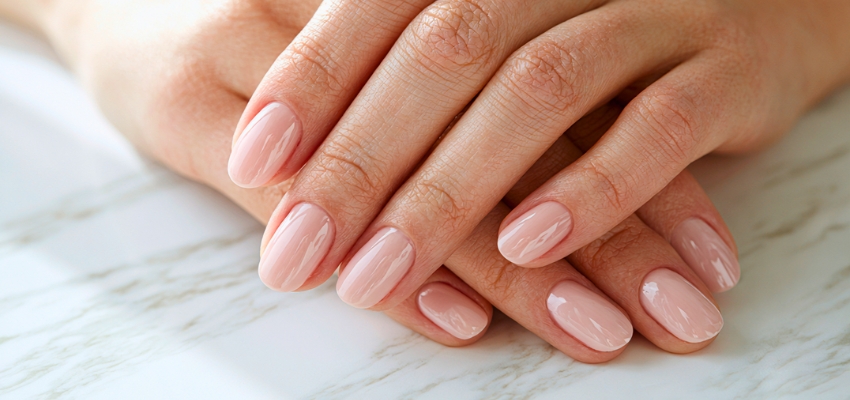
Dip powder is worth considering if you want a manicure that lasts, looks natural, and requires no UV curing. It’s a great option whether you’re trying it for the first time or weighing it up against gel or acrylic. Understanding how the system works is key. It helps you choose the option that best suits your nails and lifestyle.
Like any nail enhancement, the best results come from proper application, good aftercare, and careful removal. If you’re unsure whether dip powder is the right fit for your nails, talk with a licensed nail technician who can recommend the most suitable option based on your nail health and lifestyle.
If you’re in the Wellington, FL area, the nail professionals at Salon Suites of Wellington can help you find the right manicure and deliver expert results using quality products and proper sanitation. Book your appointment today for long-lasting, salon-quality dip powder nails.
Rent Salon Space In Wellington Florida
Rent salon space in Wellington with us. Whether you’re a hairstylist, nail technician, or any other beauty professional, we provide the ideal environment to help your business thrive. Our Wellington salon suites offer a wide range of benefits, including complimentary cleaning services, flexible lease terms, and a welcoming atmosphere designed to make your clients feel at home. Elevate your career and build your brand by leasing salon space in Wellington.

About The Author
Meet Rei Bayucca, a professional writer and passionate expert in all things related to beauty. Every article is purposely designed to assist you in tackling your most challenging dilemmas. Rei’s knack for creating engaging content is guaranteed to ignite your curiosity.