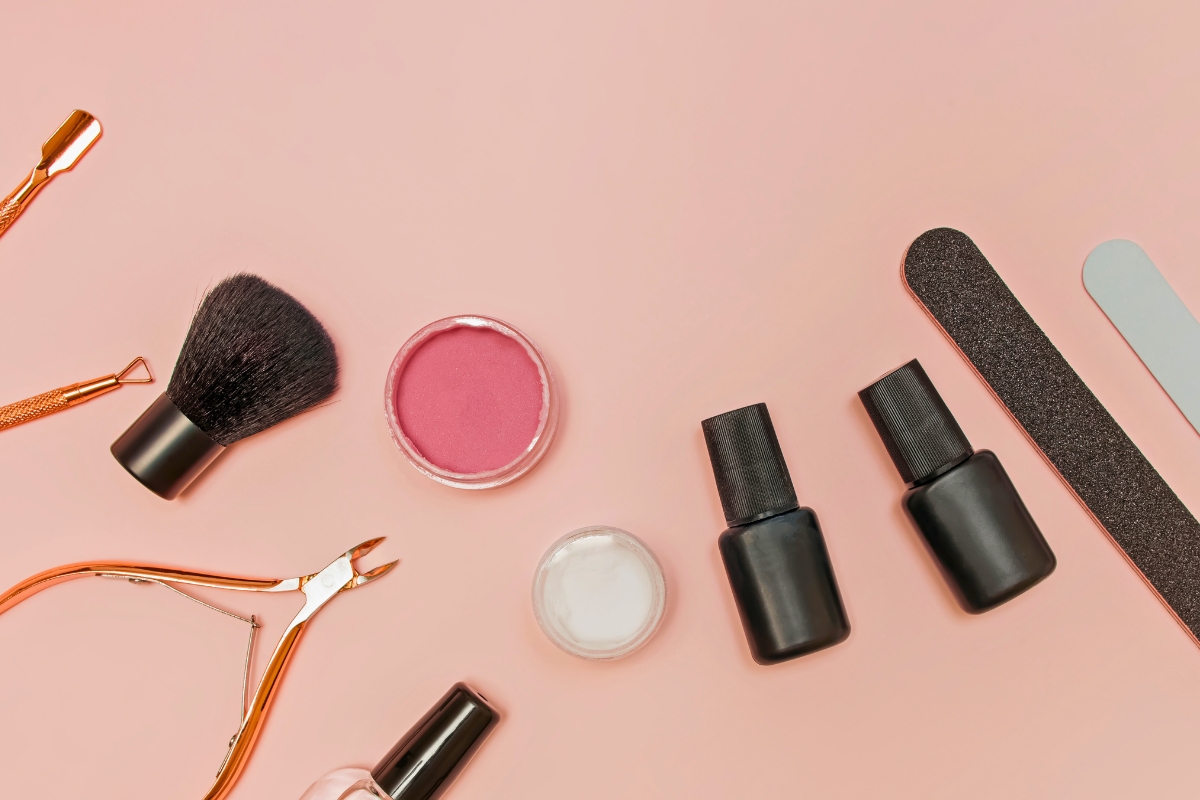
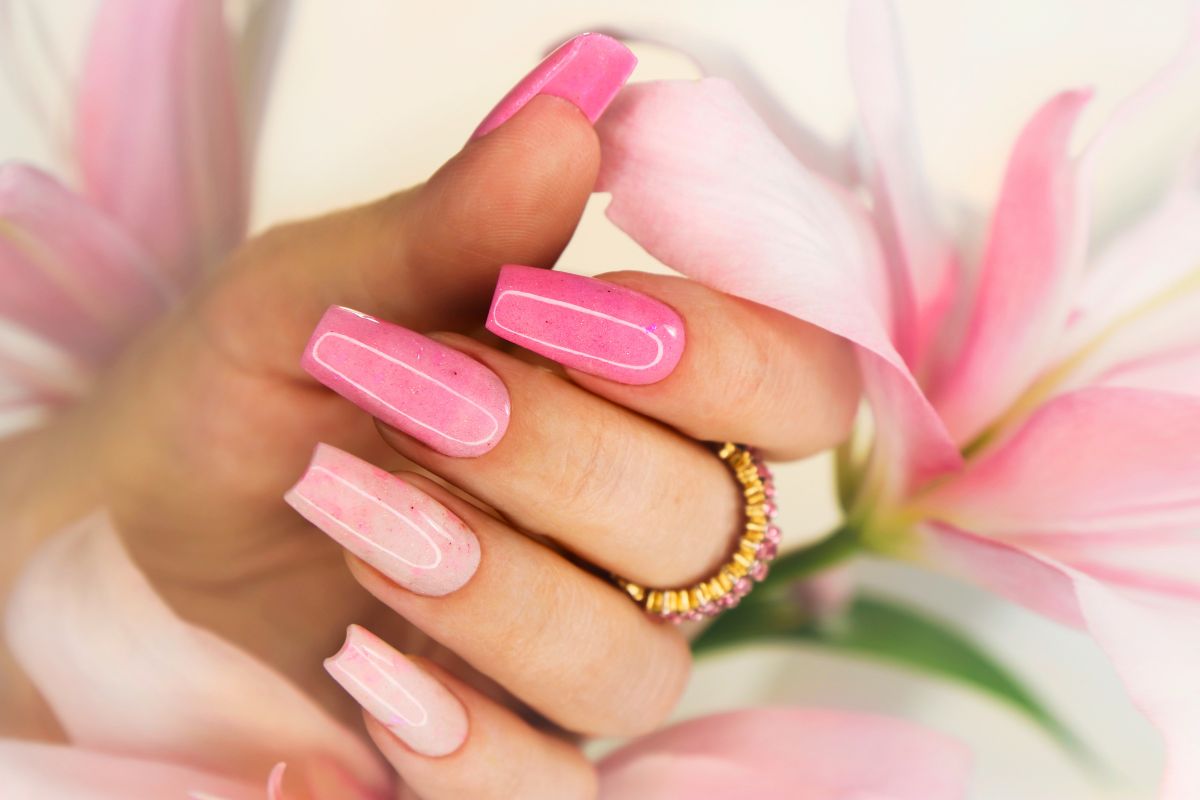
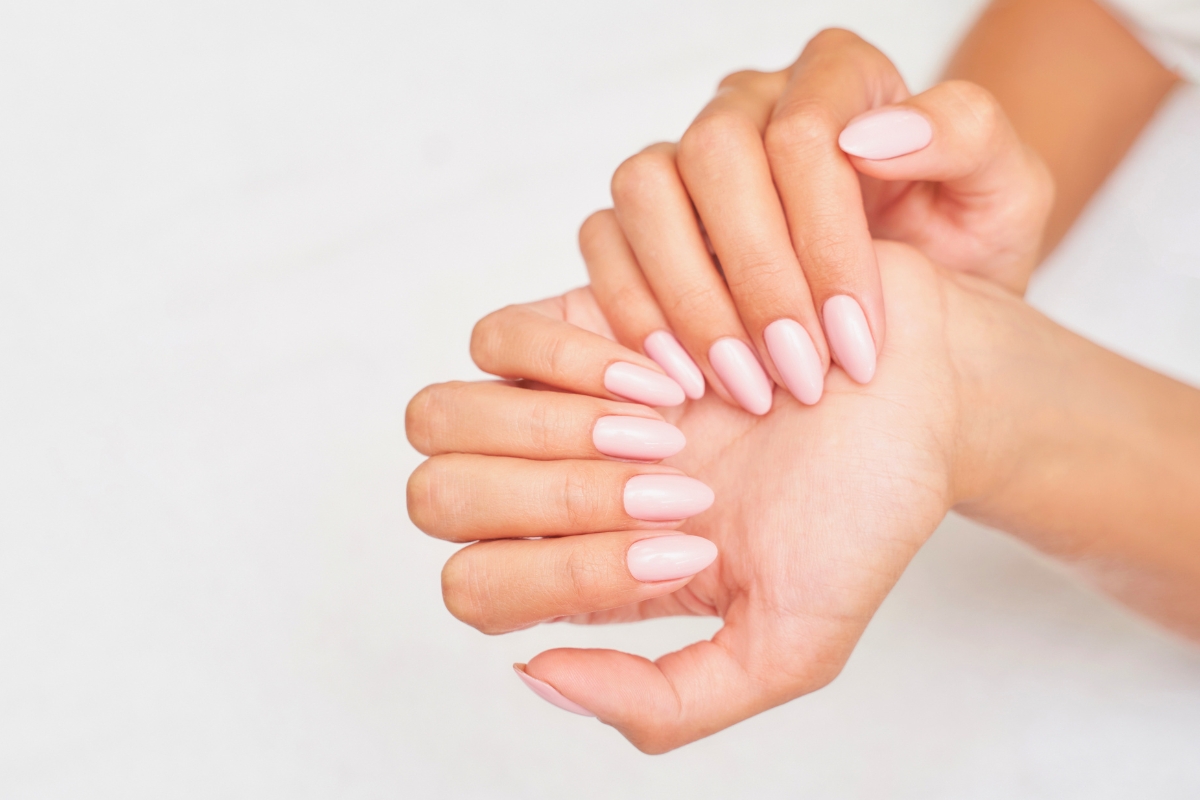
What Are Hard Gel Nails? A Guide to Hard Gel Manicures
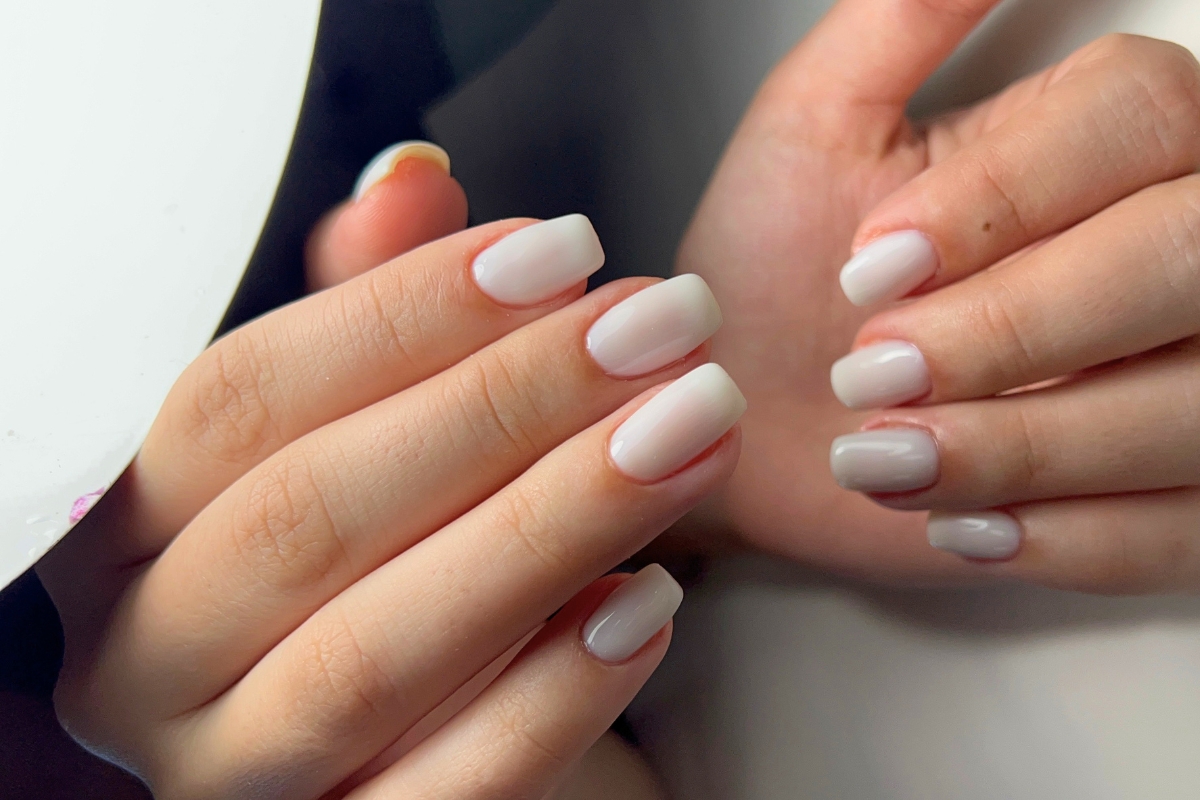
Published August 18, 2026
“Gel nails” can mean several different things at a salon. Gel polish, soft gel, and hard gel are often grouped, but they behave differently on the nail and require different removal methods. That can be confusing, especially if you’re booking a gel service for the first time.
If you’re wondering what hard gel nails are, here’s the short answer: hard gel is a thicker, sculptable enhancement material that cures under a UV or LED lamp to add structure, shape, and length to the nails. Unlike gel polish, which is primarily used for color and shine, hard gel is designed to build and reinforce the nail itself.
What is Hard Gel Nails?
Hard gel is a dense, sculptable gel that stays where a nail technician places it until it is cured under a lamp. Because the product holds its shape before curing, a technician can build, sculpt, and refine it into an enhancement that sits over the natural nail or extends beyond it.
Think of hard gel as a structural product rather than a coat of color. It creates the framework, while color and nail art can be added on top.
Hard gel is designed for several types of nail enhancement, including:
- Adding structure to reinforce the natural nail
- Creating length through extensions
- Building custom shapes such as almond, square, or coffin
- Working as an overlay or an extension, depending on the service
- Creating a sculpted result because of its thicker, moldable consistency
How Hard Gel Differs From Gel Polish
Gel polish and hard gel both cure under a lamp but serve different purposes. Gel polish is applied in thin layers and mainly adds color and shine. It acts like a long-wearing nail lacquer.
Hard gel is a structural enhancement used to build length, add structure, or reshape the nail. The two can also be used together. A technician can build a hard gel enhancement and apply gel polish over it for color or nail art. When you want to change the shade, the color layer can be refreshed while the underlying enhancement remains in place.
How Does a Hard Gel Manicure Work?
Knowing what happens during a hard gel manicure can make a first appointment feel much more straightforward. The service typically moves from nail preparation to application and sculpting, followed by curing and finishing.
Nail Preparation
Everything starts with preparation. Your technician cleans the natural nail, gently prepares the surrounding area, and lightly buffs the nail surface as needed for adhesion.
Good preparation helps the product adhere properly, but more filling is not better. Aggressive buffing can thin the natural nail, so the goal is controlled surface preparation rather than heavy sanding.
Applying and Sculpting the Hard Gel
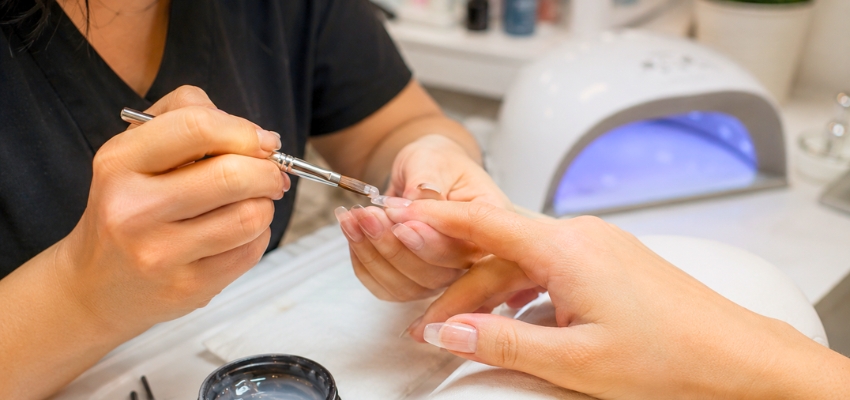
Next comes the build. The technician applies the thicker gel and shapes it by hand, guiding the product into a balanced structure across the nail. This is where the sculpting process creates the desired length and shape.
If you’re adding length, a nail form can be placed beneath the free edge as a temporary template. The technician extends the gel over the form and shapes it before curing. The finished enhancement must be balanced and attractive. Proper structure helps it withstand normal use without stressing the natural nail.
Curing, Filling, and Finishing
The hard gel is cured under an appropriate UV or LED lamp according to the product manufacturer’s instructions. Once cured, the technician files and refines the shape, smooths the surface, and checks the finished structure.
From there, you can leave the enhancement clear, add gel polish for color, or request nail art. The service is finished with the appropriate top layer for a smooth, polished appearance.
How Long Do Hard Gel Nails Last?
A hard gel set typically lasts about three to four weeks before a refill. This is a general wear range, not a guarantee.
The main reason for a refill is natural nail growth. As the nail grows, a new natural nail becomes visible near the base, and the enhancement needs to be adjusted to maintain its appearance and structure.
Your actual wear time depends on how you use your hands, the quality of preparation and application, and how you care for your nails between appointments.
Treat the three-to-four week range as a typical window, not a promise. Nail growth and daily routine influence the timeline.
How Are Hard Gel Nails Removed?
Removal is a major practical difference between hard gel and other gel systems, so it’s worth understanding before booking the service.
Traditional hard gel is not designed to dissolve in acetone. Unlike gel polish, which can be generally soaked off, hard gel is typically removed by carefully filing down the product.
That makes professional removal important. Peeling, prying off, or aggressively filing at home can remove layers of the natural nail along with the product. A trained technician controls the filing process and works carefully around the natural nail.
If you want to maintain the condition of your natural nails, avoid treating hard gel removal as a DIY step.
What Are the Pros and Cons of Hard Gel Nails?
No nail enhancement suits every client. Considering both benefits and trade-offs can help you decide if hard gel fits your routine.
Benefits of Hard Gel Nails
- Adds length when your natural nails are shorter than you want
- Provides structural support for a nail enhancement
- Allows customized length and shape
- Creates a durable, long-wearing finish
- Can be finished with gel polish and nail art
- Works well for clients who want a sculpted nail appearance
Potential Drawbacks to Consider
- Removal usually requires filing rather than a quick acetone soak.
- It needs regular maintenance as the natural nail grows.
- Results depend heavily on proper application and professional removal.
- It requires more commitment than a color-only manicure.
Hard Gel vs. Soft Gel: What’s the Difference?
Hard Gel vs. Soft Gel at a Glance
Hard gel is a firm product used to build structure, shape, and length. It generally needs to be filed down for removal.
Soft gel is a more flexible category including gel polish and other soak-off gel systems. Depending on the product, it can be used for color or some overlays but is generally not intended for the same structural extensions as traditional hard gel.
Removal is another major difference. Soft gel products designed for soak-off can be dissolved with acetone, while traditional hard gel is generally filed down. Product terminology varies between brands and salons, so ask your technician which system they use and how it is removed.
Which One Is Better for Length and Structure?
If adding significant length or building a structured enhancement is your priority, hard gel is usually the better option. Its consistency lets a technician sculpt the enhancement and build beyond the natural nail.
Soft gel is commonly used for overlays and gel polish applications where the goal is color or a lighter enhancement instead of building substantial length.
Hard Gel vs. Acrylic Nails: Which Should You Choose?
Both hard gel and acrylic can be used to create length and structure, but they use different materials and application methods. Acrylic forms when a liquid monomer is combined with a powder polymer and the mixture hardens. V Beauty Pure identifies acrylic as a separate nail enhancement system rather than another type of gel.
Hard gel remains workable until it is cured under a UV or LED lamp, giving the technician time to sculpt the product before it hardens.
Both systems can be sculpted into extensions and customized styles, but the final appearance depends on the product, application technique, and desired shape.
Removal and maintenance can vary by product and service. Acrylic may be filed down or, depending on the system, removed with an appropriate soak-off process. Both types of enhancement require maintenance as the natural nail grows.
There is no universal winner. The better choice depends on the length and structure you want, the finish you prefer, your maintenance and removal preferences, and your technician’s assessment of your natural nails.
Who Is a Hard Gel Manicure Best For?
Hard gel may suit people who:
- Want additional nail length.
- Like a structured or sculpted shape
- Prefer a durable enhancement.
- Want to wear gel polish or nail art over the enhancement.
- Are comfortable with professional maintenance and file-off removal
Another option may suit you better if you:
- Mainly want a color-only manicure.
- Change nail colors frequently.
- Prefer a soak-off system.
- Want a minimal enhancement with less maintenance.
Whatever your goal, a technician should assess your natural nails before recommending an enhancement. The right service depends not only on the look you want but also on how the enhancement fits your nails and routine.
How to Care for Hard Gel Nails Between Appointments
A few simple habits can keep the enhancement looking good while reducing stress on the natural nail.
- Don’t use your nails as tools to open cans, scrape labels, or pry things loose.
- Protect them from hard knocks and repeated stress.
- Follow your salon’s recommended maintenance schedule.
- Never pick, pry, or peel the enhancement.
- Have lifting, cracks, significant damage, or ongoing nail problems assessed by a qualified professional rather than attempting an aggressive DIY repair.
- Keep your cuticles and surrounding skin moisturized.
Are Hard Gel Nails Safe for Your Natural Nails?
Hard gel does not automatically mean damaged nails, but the condition of the natural nail can be affected by the product, preparation, application, maintenance, and removal.
Aggressive preparation, excessive filing, picking, and improper removal can cause thinning or other nail damage. Choosing a trained professional and following proper maintenance can reduce these risks.
Salon hygiene matters, too. For gel services generally, the AAD recommends asking about tool sterilization, avoiding cuticle cutting, and protecting your hands from UV exposure during curing. If you notice persistent changes in your nails, consult a dermatologist rather than covering the problem with another cosmetic enhancement.
Frequently Asked Questions
Is hard gel the same as builder gel?
Not always. Terminology varies between salons and product lines. Some builder gels are soak-off products, while others are file-off systems. Rather than relying on the product name alone, ask your salon which specific product they use and how it is removed.
How long does a hard gel manicure take?
The appointment time depends on the service. An overlay generally takes less time than a full set of extensions, while removal, nail art, or significant reshaping can add time. There is no single appointment length that applies to every hard gel service.
Can you put gel polish over hard gel?
Yes. Gel polish can be applied as a color layer over a hard gel enhancement. This allows you to change the visible color while keeping the primary structure in place.
Can hard gel add length to short nails?
Yes. With a nail form or another suitable extension method, a technician can use hard gel to sculpt additional length. The appropriate approach depends on the starting length and condition of the natural nail.

What Is Hard Gel Nails? Key Takeaways
Hard gel is a sculptable nail enhancement designed to add structure, shape, and length. Unlike gel polish, it builds the nail rather than simply adding color.
If you’re asking what is hard gel nails before booking a service, the main distinction to remember is that traditional hard gel is generally filed off rather than soaked off. Professional application, maintenance, and removal are important considerations when deciding whether the service is right for you.
If you want added length, a sculpted shape, or a durable enhancement, hard gel may be worth discussing with your nail technician. If you’re unsure which option fits your nail length, condition, or style, explore the resources at Salon Suites of Wellington before booking your next nail service.
Rent Salon Space In Wellington Florida
Rent salon space in Wellington with us. Whether you’re a hairstylist, nail technician, or any other beauty professional, we provide the ideal environment to help your business thrive. Our Wellington salon suites offer a wide range of benefits, including complimentary cleaning services, flexible lease terms, and a welcoming atmosphere designed to make your clients feel at home. Elevate your career and build your brand by leasing salon space in Wellington.

About The Author
Meet Rei Bayucca, a professional writer and passionate expert in all things related to beauty. Every article is purposely designed to assist you in tackling your most challenging dilemmas. Rei’s knack for creating engaging content is guaranteed to ignite your curiosity.