Is Waxing Better Than Shaving? Cost, Results & Differences
Published August 27, 2026
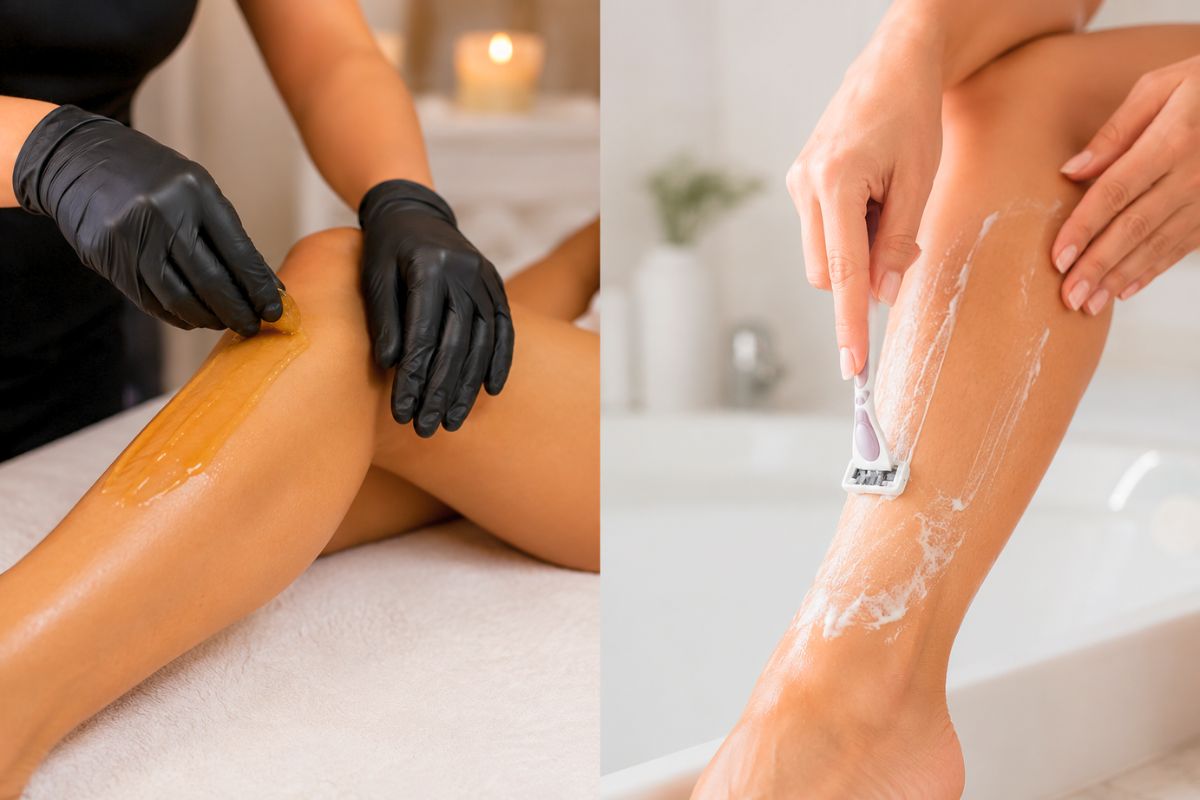
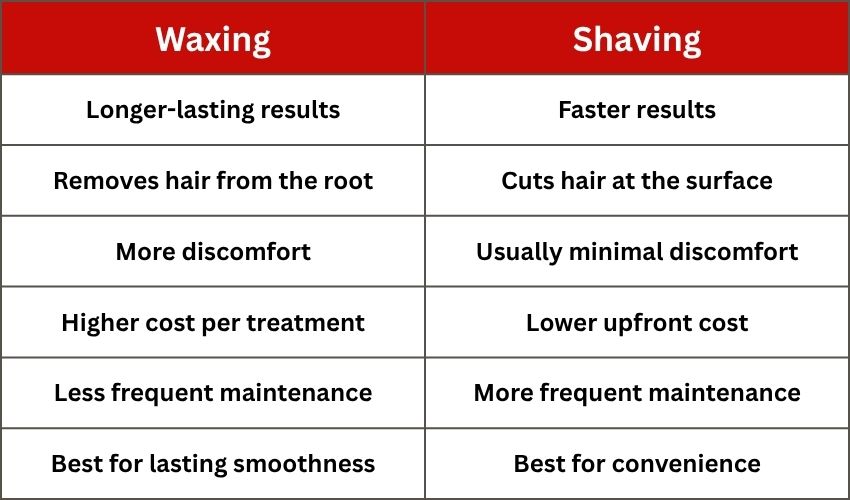
Neither waxing nor shaving is universally better. The right choice depends on what you want from your hair removal routine. Waxing removes hair from the root and generally provides longer-lasting smoothness with less frequent maintenance. Shaving is faster, more convenient, less expensive upfront, and usually more comfortable. Your skin sensitivity, body area, budget, and preferred maintenance routine all play a role in deciding which method is right for you.
Waxing vs. Shaving at a Glance
How Waxing and Shaving Work
How Waxing Works
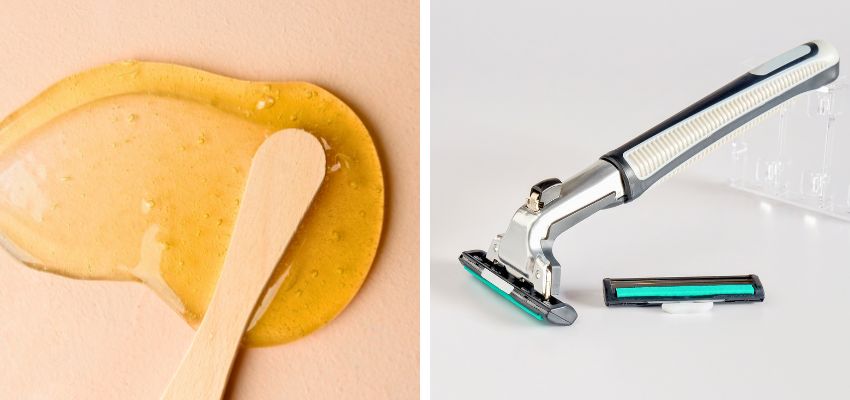
Waxing removes hair from the root. Wax grips the hair, allowing it to be pulled from the follicle rather than simply cutting it at the skin’s surface. Hair also needs to be long enough for the wax to grip effectively, with many waxing professionals recommending roughly ¼ inch of growth.
How Shaving Works
Shaving cuts hair at the skin’s surface with a razor blade. It doesn’t remove the root, so the follicle continues producing hair and stubble can become visible relatively quickly. That’s why shaving usually requires more frequent touch-ups than waxing.
Does Shaving Make Hair Grow Back Thicker?
No. Shaving does not change the thickness, color, or growth rate of your hair. Freshly shaved hair can feel coarser or look darker because the razor leaves a blunt, cut tip rather than the naturally tapered end. As the hair grows out, that blunt edge can make regrowth appear thicker than it actually is.
Waxing vs. Shaving: Which Is Better for You?
Which Lasts Longer?
Waxing generally provides longer-lasting results than shaving. The exact duration varies with your hair-growth cycle, treatment area, and waxing routine. Visible regrowth usually appears sooner after shaving because it only cuts hair at the skin’s surface.
Which Is More Painful?
Waxing involves more discomfort because it removes hair from the root. Shaving is usually less uncomfortable, though nicks, razor burn, or irritation can make it unpleasant. Pain varies by person and body area, with areas like the bikini line and underarms often more sensitive than the legs.
Which Is Faster?
Shaving wins on speed. You can shave at home in a few minutes without much preparation. Waxing takes longer because it involves preparation, application, hair removal, and aftercare, whether you do it yourself or see a professional.
Which Is Cheaper?
Shaving generally costs less upfront. You pay for a razor, replacement blades, and products such as shaving cream or gel, while professional waxing costs more per treatment. Because waxing is performed less frequently, however, the overall difference depends on how often you shave, what products you use, which body area you treat, and how often you wax.
Which Requires Less Maintenance?
Waxing generally requires less frequent maintenance. Shaving can require touch-ups every few days, while waxing is typically scheduled every few weeks depending on individual regrowth and the treatment area. Shaving takes less time per session, but waxing may mean fewer hair-removal sessions over time.
Is Waxing or Shaving Better for Sensitive Skin?
Waxing and Sensitive Skin
Waxing can cause temporary redness, irritation, or discomfort, particularly immediately after treatment. Sensitive skin may react more strongly to the pulling action, and improper technique can increase the likelihood of irritation or ingrown hairs. Using an appropriate waxing technique and product for the treatment area can make a difference.
Shaving and Sensitive Skin
Shaving has its own potential irritants, including razor burn, small cuts, friction, and dryness. Repeatedly dragging a blade across sensitive skin can leave it red or itchy, while dull or poorly maintained razors can increase the risk of irritation and ingrown hairs.
Which Should You Choose?
There’s no universal winner for sensitive skin. Some people prefer waxing because they don’t need to remove hair as frequently, while others find waxing too irritating and prefer careful shaving. If you’re trying a new method, start cautiously and pay attention to how your skin responds.
Waxing vs. Shaving for Ingrown Hairs
Can Waxing Cause Ingrown Hairs?
Yes. Waxing can contribute to ingrown hairs, particularly when hair breaks during removal or has difficulty growing normally through the skin.
Can Shaving Cause Ingrown Hairs?
Yes. Shaving can also contribute to ingrown hairs. A blunt-cut hair can sometimes curl back toward the skin as it grows, particularly in areas where the hair is naturally coarse or curly.
How to Reduce the Risk of Ingrown Hairs
Both methods can contribute to ingrown hairs, so technique and aftercare matter.
- Use proper technique. Shave in the direction of hair growth with a clean, sharp blade, or have waxing performed using appropriate technique for the area.
- Prepare the skin appropriately. Follow preparation instructions for the hair-removal method you’re using.
- Exfoliate gently. If exfoliation is appropriate for your skin, gentle exfoliation between treatments may help reduce buildup of dead skin. Avoid exfoliating freshly waxed or irritated skin.
- Avoid irritated skin. Don’t wax or shave areas that are already red, broken, or inflamed.
- Follow good aftercare. Keep treated skin clean and follow appropriate moisturizing and aftercare instructions.
Waxing vs. Shaving by Body Area
- Legs: Waxing can be a good option if you want longer-lasting smoothness on your legs and less frequent maintenance. Shaving is faster and generally less expensive, making it useful when convenience matters more than longevity.
- Underarms: Underarm skin is sensitive, so that waxing can be more uncomfortable in this area. Waxing generally provides longer-lasting results, while shaving is quick and convenient but can lead to visible stubble and razor irritation sooner.
- Bikini area: The bikini area is sensitive and can be prone to irritation and ingrown hairs with either method. Waxing provides longer-lasting results, while shaving is convenient for at-home maintenance. Because the area can be difficult to treat yourself, some people prefer having waxing performed by an experienced professional.
- Face, eyebrows and upper lip: Facial skin is delicate, and areas such as the eyebrows and upper lip require precision. Professional waxing is commonly used for shaping and removing unwanted facial hair, but sensitive facial skin can react with temporary redness. Certain skincare products and treatments can also make facial waxing unsuitable, so it’s important to discuss relevant products or treatments with your professional beforehand.
When Should You Avoid Waxing?
Sunburned or Irritated Skin
Skip waxing if your skin is sunburned, inflamed, or already irritated. Waxing compromised skin can increase discomfort and potentially worsen irritation.
Cuts, Wounds, or Damaged Skin
Don’t wax over open cuts, wounds, rashes, or broken skin. Wait until the area has healed before treatment.
Certain Skincare Treatments and Medications
Some medications and skincare products can increase skin sensitivity and make waxing unsuitable or require additional precautions. Dermatologists specifically caution against waxing while using tretinoin and while taking isotretinoin.
Other medications or treatments may also affect whether waxing is appropriate. If you’re using prescription skincare, taking medication that affects your skin, or have recently had a professional skin treatment, ask your dermatologist or waxing professional whether waxing is appropriate before treatment.
How to Prepare for Waxing
How Long Should Hair Be Before Waxing?
Hair generally needs to be about ¼ inch (roughly 6 mm) long so the wax can grip it effectively. Hair that is too short may be difficult to remove, while excessively long hair can make treatment more uncomfortable. Your waxing professional may recommend a different length depending on the waxing method and treatment area.
What Should You Do Before a Wax?
- Start with clean, dry skin.
- Make sure the hair is an appropriate length.
- Avoid heavy lotions, oils, or irritating products immediately before treatment.
- Tell your technician about relevant skin concerns, medications, or recent treatments.
Should You Exfoliate Before Waxing?
Avoid harsh scrubs or aggressive exfoliation immediately before waxing because they can leave the skin more sensitive. If exfoliation is part of your routine, follow your waxing professional’s guidance on when to stop before treatment and when to resume afterward.
Waxing Aftercare
Keep Recently Waxed Skin Clean
Recently waxed skin can be more sensitive and prone to irritation. Keep the area clean, avoid unnecessary touching, and follow the aftercare instructions provided by your waxing professional.
Avoid Excessive Heat and Friction
Avoid activities that expose freshly waxed skin to excessive heat or friction immediately after treatment. Hot baths, saunas, and intense workouts may aggravate irritation.
Protect Skin From Sun Exposure
Recently waxed skin can be more sensitive to the sun. Protect treated areas from excessive sun exposure and use appropriate sun protection.
When to Resume Exfoliation
Give your skin time to settle before exfoliating. Once any redness or sensitivity has subsided, gentle exfoliation may help reduce buildup of dead skin and the likelihood of some ingrown hairs.
What About Redness or Bumps?
Mild redness or small bumps can occur after waxing and often settle on their own. A cool compress and gentle, fragrance-free moisturizer may help soothe the area. If redness or swelling lasts more than two days, or if irritation becomes severe or worsens, consult a healthcare professional.
Is Waxing Worth the Extra Cost?
Why Shaving Costs Less Upfront
Shaving requires a razor, replacement blades, and a shaving product such as gel or cream. The initial cost is relatively low, making it a convenient option for people who want an inexpensive way to remove hair at home.
What You Pay for With Professional Waxing
Professional waxing costs more per visit because you’re paying for the treatment, the technician’s expertise, and professional products. The trade-off is that waxing generally requires fewer hair-removal sessions than shaving.
Which Is More Cost-Effective?
It depends on your routine. The overall cost is influenced by:
- How often you shave and what products you use.
- How often you wax and which body area you’re treating.
- Whether you wax professionally or at home.
Someone who shaves frequently may spend more on razors and products over time, while someone who waxes regularly may spend more per appointment. Comparing the costs based on your own routine is more useful than comparing the price of a single session.
Professional Waxing vs. Shaving at Home
When Professional Waxing May Be Worth It
Professional waxing can be useful when technique, precision, or access to difficult-to-reach areas matters. An experienced technician can provide guidance on preparation and aftercare and help ensure the treatment is appropriate for the area being waxed.
For beauty professionals who offer waxing and other personal-care services, the client experience extends beyond the treatment itself. A private, professional workspace can help create a comfortable setting for clients while giving independent professionals greater control over their brand and day-to-day business.
When Shaving at Home May Be Better
Shaving at home can make sense when you need a quick touch-up, want to keep costs low, or prefer handling hair removal on your own schedule. There’s no appointment to book, making it convenient for regular maintenance.
For beauty professionals interested in offering waxing, see our guide to soft wax vs. hard wax to learn how different wax types are used for different areas and needs.
Frequently Asked Questions
Is waxing better than shaving?
Neither is universally better. Waxing generally provides longer-lasting results and less frequent maintenance, while shaving is faster, less expensive upfront, and generally more comfortable. The right choice depends on your priorities, skin, and body area.
Does waxing last longer than shaving?
Yes. Waxing generally provides longer-lasting results because it removes hair from the root rather than cutting it at the skin’s surface. The exact duration varies by hair-growth cycle and treatment area.
Is waxing more painful than shaving?
Generally, yes. Waxing tends to cause more discomfort than shaving because the hair is removed from the root. Pain varies from person to person and by body area.
Is waxing better for sensitive skin?
Not necessarily. Waxing can cause temporary redness and irritation, while shaving can cause razor burn, cuts, and friction-related irritation. The better option depends on how your skin responds to each method and whether you have any conditions or treatments that affect skin sensitivity.
Which causes more ingrown hairs, waxing or shaving?
Both can contribute to ingrown hairs. Proper technique and appropriate aftercare can help reduce the risk, although neither method eliminates it.
Does shaving make hair grow back thicker?
No. Shaving doesn’t change hair thickness or growth rate. Regrowth can feel coarser because the razor leaves a blunt tip, but the hair itself has not become thicker.
Does waxing make hair grow back thinner?
Some people report finer or sparser-looking regrowth after repeated waxing, but results vary. Waxing should not be considered a permanent hair-reduction method or a guarantee of thinner regrowth.
How long should hair be before waxing?
Hair should generally be about ¼ inch (roughly 6 mm) long so the wax can grip it properly. Your waxing professional may recommend a different length depending on the waxing method and treatment area.
Is waxing worth the extra cost?
It can be if you value longer-lasting results and less frequent upkeep. Whether it’s more cost-effective than shaving depends on your habits, the body area, and whether you wax at home or professionally.
Can I shave between waxing appointments?
Yes, if needed. However, shaving can make it harder to maintain the hair length needed for your next waxing appointment. If you’re following a regular waxing schedule, allowing the hair to grow between appointments may make the next treatment easier.
So, Is Waxing Better Than Shaving?
Waxing is generally the better choice if you want longer-lasting smoothness and less frequent maintenance. Shaving may be the better option if you prioritize speed, convenience, affordability, and minimal discomfort. The right choice depends on your skin, body area, schedule, budget, and how often you want to maintain your results.
For beauty professionals offering waxing or other personal-care services, the right workspace can be just as important as the service itself. Salon Suites of Wellington offers private, fully equipped salon suites and professional amenities designed to help independent beauty professionals create a polished client experience and grow their businesses.
Rent Salon Space In Wellington Florida
Rent salon space in Wellington with us. Whether you’re a hairstylist, nail technician, or any other beauty professional, we provide the ideal environment to help your business thrive. Our Wellington salon suites offer a wide range of benefits, including complimentary cleaning services, flexible lease terms, and a welcoming atmosphere designed to make your clients feel at home. Elevate your career and build your brand by leasing salon space in Wellington.

About The Author
Meet Rei Bayucca, a professional writer and passionate expert in all things related to beauty. Every article is purposely designed to assist you in tackling your most challenging dilemmas. Rei’s knack for creating engaging content is guaranteed to ignite your curiosity.