Choosing Box Color For Your Skin Tone: Expert Hair Advice
Published October 29, 2026
Box hair color can be a convenient way to change or refresh your hair color at home. But choosing a shade involves more than matching the picture on the package to the color you want.
Your current hair color, previous treatments, hair condition, desired results, and the type of box color you choose all affect the outcome. The shade on the box is a guide, not a guarantee of the exact color you’ll get.
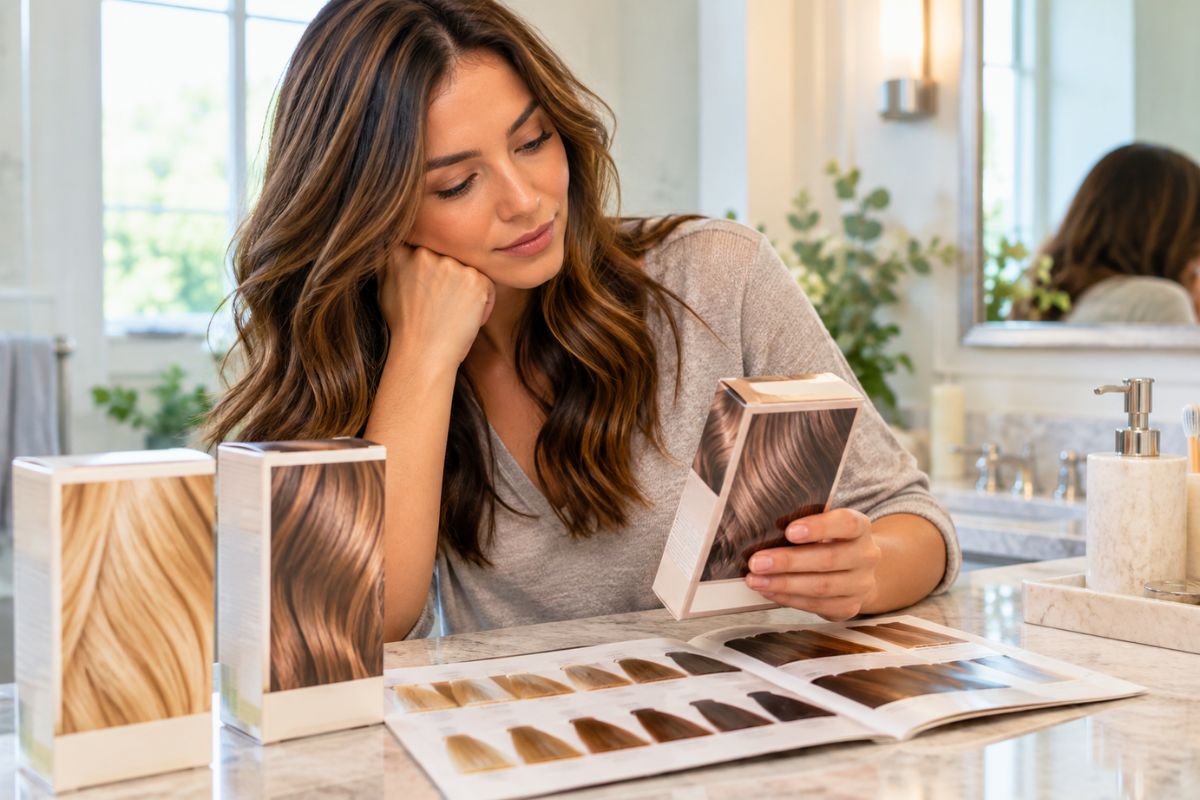
Before you buy, compare your current shade with the manufacturer’s color chart and check whether the product is intended for your starting color.
What Is Box Hair Color?
Box hair color, also called box dye or at-home hair color, is a pre-formulated hair-coloring product sold for consumer use.
Permanent box color typically includes a color product and developer that are combined before application. Other products use different formulations, including semi-permanent color.
The main difference between box color and professional hair color is customization. Box color is pre-formulated, while a professional colorist assesses your hair and selects or formulates products based on your existing color, previous treatments, hair condition, and desired result.
The final result can be affected by:
- Your natural or current hair color
- Previous artificial color
- Bleaching or lightening
- The shade you select
- The type of color product
- Your hair’s condition
- How the product is applied
This explains why two people using the same box color can get different results.
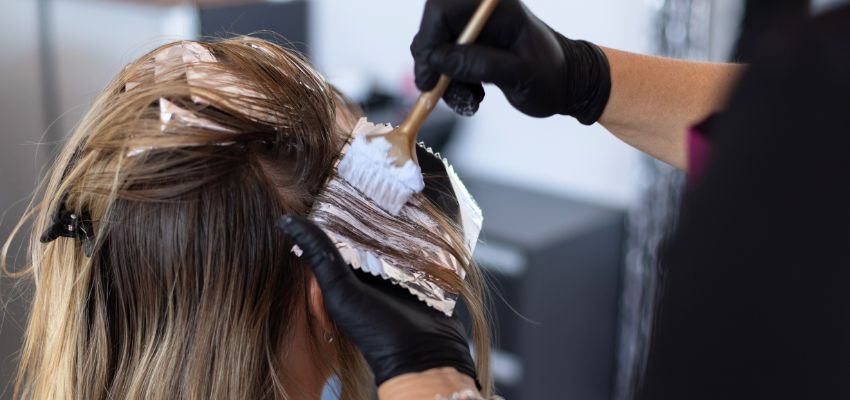
Box Hair Color vs Professional Hair Color
Both box color and professional hair color can change your hair color, but they offer different levels of control.
Box Hair Color
Box color is generally:
- Convenient for at-home use
- Widely available
- Pre-formulated
- Less expensive than many professional color services
- Suitable for some straightforward color changes when the product is appropriate for your starting shade.
Its main limitation is that the formulation is not customized for your hair.
Professional Hair Color
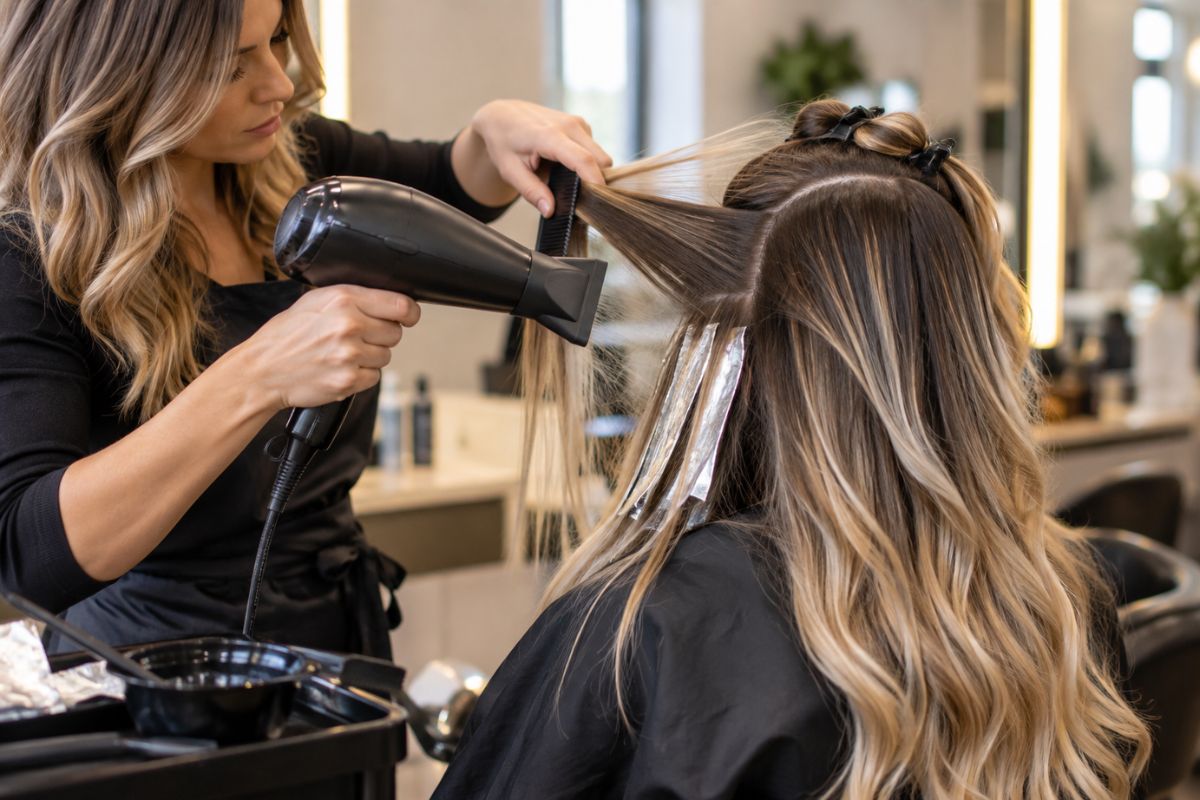
A professional colorist can assess your hair before deciding how to achieve the desired result. This is especially useful if your hair has a previous color, highlights, lightening, or other chemical treatments.
Professional color may be worth considering if you want:
A significant color change
- Highlights, balayage, or other dimensional color
- Correction of unwanted or uneven color
- A highly specific shade
- Color work on previously treated hair
- Help determining what is realistically available for your hair
The better option depends on the results you want and your hair’s complexity and history.
Pros and Cons of Box Color
The biggest advantage of box color is convenience. Its main limitation is unpredictability.
Benefits of Box Hair Color
- Convenience: You can purchase a product and apply it at home without booking a salon appointment.
- Cost: Box color is generally less expensive than a professional color service.
- Accessibility: A wide range of shades and formulations are available from retailers.
- Straightforward color changes: Box color can work for some relatively simple changes when your starting shade is compatible with the product.
Limitations of Box Hair Color
- Results can vary: The same boxed shade may produce different colors depending on the starting hair color.
- There is less customization: The formulation is designed for general use, not tailored to your hair.
- Previous color matters: Artificial color and other chemical treatments can make the final result less predictable.
- Color correction can be complicated: A result that’s much darker, lighter, warmer, cooler, or more uneven than expected may require professional correction.
- Repeated processing can affect hair condition. Applying permanent color repeatedly over treated hair can cause unnecessary chemical damage. Follow the product’s instructions on where and how often to apply the color.
How to Choose the Right Box Color for Your Skin Tone
Your skin undertone can help you compare hair-color families but shouldn’t be the only factor. Your starting hair color and desired results are especially important because they influence what box color can realistically achieve.
Identifying Your Skin Undertone
Skin undertones are commonly described as warm, cool, or neutral.
Warm undertones may have golden, peachy, or yellow characteristics. Cool undertones may have pink, reddish, or bluish characteristics. Neutral undertones generally contain a balance of warm and cool characteristics.
If you’re uncertain about your undertone, use it as a guide, not a strict rule for choosing hair color.
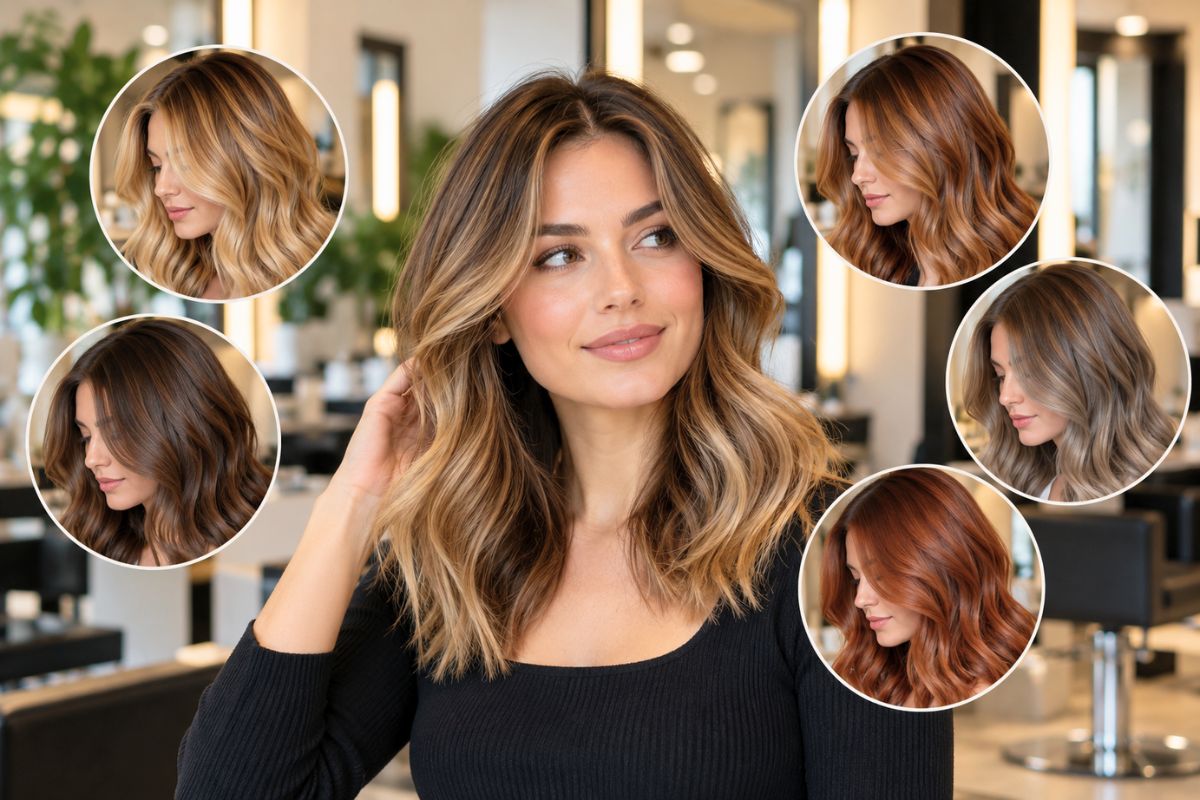
Best Box Hair Colors for Warm Undertones
Warm undertones may complement hair colors with warm or golden characteristics, including:
- Golden blonde
- Honey blonde
- Warm brown
- Caramel
- Copper
- Warm auburn
The best option still depends on your starting hair color and desired result.
Best Box Hair Colors for Cool Undertones
Cool undertones may work well with cooler or more neutral color families, including:
- Ash blonde
- Cool brown
- Ash brown
- Neutral brunette shades
- Burgundy
- Some cool reds
Preferences vary, so use these suggestions as a starting point, not a fixed rule.
Best Box Hair Colors for Neutral Undertones
Neutral undertones offer more flexibility when choosing between warm and cool shades.
Options may include:
- Neutral brown
- Beige blonde
- Medium brunette shades
- Soft caramel
- Balanced red shades
Your current hair color and the manufacturer’s shade chart should guide your choice.
Check Your Starting Hair Color Before Choosing a Shade
Your starting hair color is one of the most important factors when choosing box color.
The same product can produce different results on natural blonde, natural brunette, previously colored, or lightened hair.
Before buying, compare your current shade with the manufacturer’s before-and-after chart or other packaging guidance.
Also consider whether your hair is:
- Natural
- Previously colored
- Bleached or lightened
- Highlighted
- Chemically treated
- Uneven in color
Why Previous Color Matters
Previously colored hair behaves differently from untreated hair. If you want a substantial change, applying color over existing pigment may not produce the expected result.
If you want to go significantly lighter, existing artificial color may need to be addressed first. If your hair has multiple shades or previous lightening, a professional assessment can offer a more predictable approach.
How to Use Box Hair Color at Home
If you use box color, follow the manufacturer’s instructions instead of a generic routine. Products can differ in preparation, application, processing times, and safety requirements.
Before Coloring
Before applying the product:
- Read all of the manufacturer’s instructions.
- Complete the product’s required skin allergy or sensitivity test before use, following the manufacturer’s directions.
- Consider a strand test if recommended by the manufacturer or if you’re uncertain about the expected color result.
- Check whether the product is suitable for your current hair and previous treatments.
- Protect clothing and nearby surfaces from accidental staining.
If you develop a rash or reaction during testing, don’t use the product.
Don’t use hair dye on an irritated, sunburned, or damaged scalp. Follow the product’s warnings and precautions.
Don’t assume instructions for one box color apply to another product.
Applying the Color
Apply the product in the order and for the amount of time specified by the manufacturer.
The application method varies depending on whether you’re coloring untreated hair, covering regrowth, or refreshing color.
Avoid applying permanent color repeatedly over already-colored lengths unless the instructions call for it. Additional processing doesn’t always improve results and can stress the hair.
Never leave the product on longer than directed to intensify the color.
After Coloring
Follow the manufacturer’s instructions for rinsing and conditioning after processing.
To help maintain your color:
- Use products suitable for color-treated hair when appropriate.
- Avoid unnecessary washing if frequent washing fades your color.
- Limit excessive heat exposure.
- Apply heat protection when using hot styling tools.
- Follow the aftercare recommendations supplied with your color product.
No single washing schedule applies to every hair-color product, so follow product-specific instructions.
Permanent vs Semi-Permanent Box Color
Box color is available in different formulations, so check the product packaging before deciding which type is right for you.
Permanent Hair Color
Permanent color is designed to produce a longer-lasting change and typically involves a developer as part of the coloring process.
Depending on the product, it may be used for purposes such as changing the shade or covering gray hair.
Because permanent color involves chemical processing, repeated application should be done carefully, especially on hair lengths already treated.
Semi-Permanent Hair Color
Semi-permanent color is generally designed to provide a less permanent color change and gradually fade with washing.
Color longevity varies by formulation, shade, starting hair condition, and washing and care routine.
Check the packaging for specific instructions and expected longevity instead of assuming all semi-permanent products behave the same.
Can Box Color Damage Your Hair?
Box color doesn’t automatically damage your hair. However, chemical coloring can affect hair condition, especially with repeated processing.
Factors that can influence the impact include:
- The type of color product
- Whether the process involves lightening
- How frequently the hair is colored
- Whether previously treated hair is processed again
- The existing condition of the hair
- How the product is applied
Repeatedly processing the same lengths exposes hair to more chemicals than necessary. If your hair is fragile, highly processed, or damaged, seek professional advice before applying more color.
What If Box Color Doesn’t Turn Out as Expected?
If your result differs from what you expected, resist the urge to apply another chemical color product immediately.
The appropriate correction depends on what happened. Your hair may be:
- Too dark
- Too light
- Too warm
- Too cool
- Uneven
- A different shade from the expected result
Color correction becomes particularly complicated when hair has a previous artificial color or has been lightened.
A professional colorist can assess your color and hair condition to determine the best correction strategy. This offers a more controlled and predictable approach than repeatedly applying products at home.
Frequently Asked Questions
Is box hair color bad for your hair?
Box color is not inherently damaging, but chemical coloring can affect hair condition. The impact depends on the product, your hair’s condition and history, and processing frequency.
How do I choose the right box hair color?
Start with your current hair color and desired result. Compare your shade with the manufacturer’s chart, then consider if a warm, cool, or neutral color family suits your look and skin undertone.
Can I use box dye on previously colored hair?
It depends on the product and your existing color. Previously colored hair can give less predictable results, especially for significant changes. Check the instructions and consider professional advice for complex changes.
Is permanent or semi-permanent box color better?
Neither is universally better. Permanent color lasts longer, while semi-permanent color fades with washing. The choice depends on your desired result and how long you want the color to last.
Can box color be corrected?
Some color problems can be corrected, but the approach depends on the result and your hair’s chemical history. Significant corrections are better assessed by a professional than by repeated home applications.
When should I choose professional hair color instead?
Professional color may be better for major transformations, highlights, correction of unwanted results, or changes requiring careful assessment of previously treated hair.
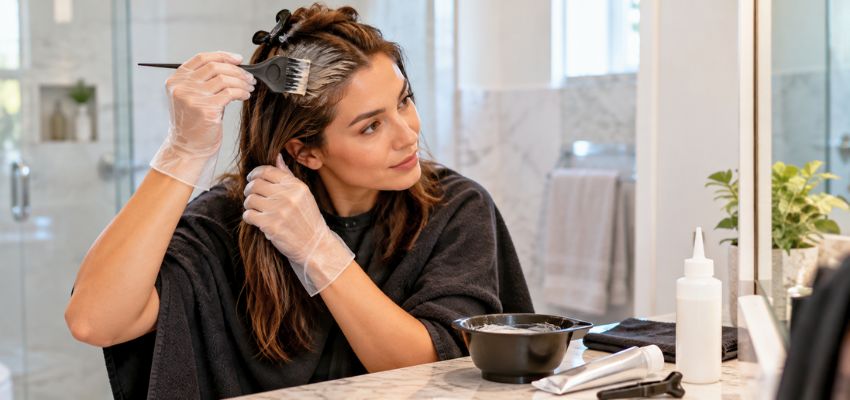
Find the Right Box Color for Your Hair
Box hair color can be a practical option for some straightforward at-home color changes, but choosing the right shade requires more than looking at the picture on the package.
Before using box color, consider your:
- Current hair color
- Previous color and chemical treatments
- Desired result
- Hair condition
- Preferred type of color
- Skin undertone
Most importantly, compare your starting shade with the manufacturer’s chart and follow the product’s instructions carefully.
If you’re unsure which color would suit your hair or prefer professional guidance, Salon Suites of Wellington can help you connect with beauty professionals in Wellington, Florida. Visit Salon Suites of Wellington to explore the salon professionals and services available.
Rent Salon Space In Wellington Florida
Rent salon space in Wellington with us. Whether you’re a hairstylist, nail technician, or any other beauty professional, we provide the ideal environment to help your business thrive. Our Wellington salon suites offer a wide range of benefits, including complimentary cleaning services, flexible lease terms, and a welcoming atmosphere designed to make your clients feel at home. Elevate your career and build your brand by leasing salon space in Wellington.

About The Author
Hi, I’m Corinne Grace, a nursing graduate from Riverside College who writes for hairstylists, estheticians, and beauty professionals building their own businesses. My professional background shapes how I write about the business side of running a salon suite. I write for beauty pros who want practical advice they can put to work.