Hair Disaster? How Soon Can I Bleach My Hair Again To Fix It
Published March 12, 2026
Your bleach job left patchy or brassy orange hair. Bleaching again too soon can seriously damage hair. Bleaching strips natural pigment and weakens strands. Rushing to repair it can worsen damage. You’re likely searching “how soon can I bleach my hair again to fix it?”—the answer isn’t always simple.
In this article, we’ll explain how soon you can safely bleach your hair again to correct a bad bleach job. We’ll also cover the warning signs of over-bleaching. You’ll learn about recommended waiting periods and explore safer ways to improve your hair color.
What Happens When Hair Bleaching Goes Wrong?
Bleaching opens the hair cuticle and breaks down pigment in the hair shaft. While this lightens hair, it also weakens fibers. Incorrect or frequent bleaching leads to dryness, breakage, and uneven color.
Common Bleaching Mistakes That Lead To Hair Damage
Many at-home bleaching attempts go wrong due to a few common mistakes, which can result in dryness, breakage, and uneven color.
- Using a developer that’s too strong: Not all hair types can tolerate high-volume developers.
- Leaving the bleach on for too long: Over-processing can severely weaken the hair.
- Applying bleach unevenly: This often leads to patchy or inconsistent color.
- Skipping a strand test: Testing a small section first helps predict how your hair will react.
Signs Your Hair Is Too Damaged For Another Bleach Session
Over-processed hair shows clear warning signs. Watch for these indicators before another bleaching session:
- Brittle, straw-like texture: Hair feels rough and extremely dry.
- Mushy or spongy strands when wet: A sign that the internal structure is compromised.
- Extreme elasticity: Hair stretches but fails to return to its original shape.
- Widespread split ends: Damage travels up the hair shaft.
- Increased shedding or breakage: You notice more hair snapping during brushing or washing.
If you notice several of these signs, allow your hair to recover before another chemical process.
Why Over-Bleaching Can Cause Breakage And Uneven Color
Repeated bleaching raises hair porosity, causing strands to absorb and release moisture unevenly. Highly porous hair processes chemicals inconsistently, so some sections lighten faster. Uneven absorption leads to blotchy results that are difficult to correct.
How Soon Can I Bleach My Hair Again To Fix It?
If bleaching didn’t turn out right, be patient. Hair needs recovery time to reduce damage and improve the chances of even color next time.
Most professionals recommend putting on hold for at least four to six weeks between bleaching. This period lets the hair cuticle settle and restores moisture and elasticity before more chemicals. Professional colorists prioritize hair health. Each bleaching session stresses hair structure. Without recovery, hair weakens, raising the risk of breakage and uneven results.
Factors That Determine How Soon You Can Bleach Again
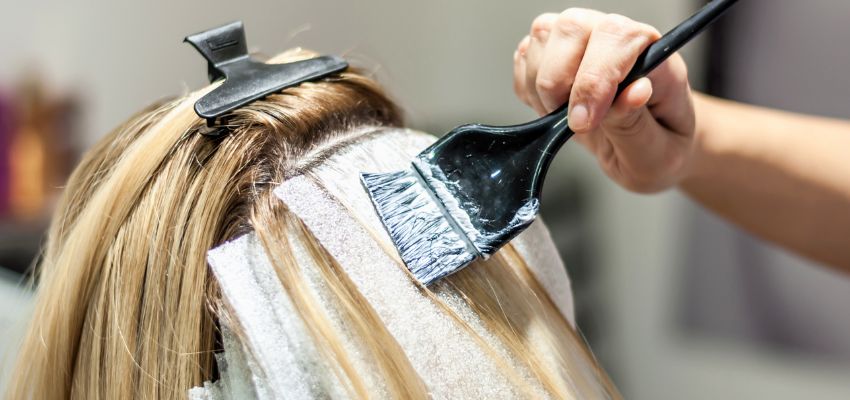
The four-to-six-week rule is common, but several factors determine when you can bleach again.
- Hair condition: Dry or brittle hair requires more recovery time.
- Hair porosity: Highly porous hair processes bleach differently.
- Scalp health: An irritated or sensitive scalp may need additional time to recover.
Can I Bleach My Hair Again After 24 Hours?
The short answer is no. Bleaching your hair twice in one day or within 24 hours is risky and strongly discouraged by professionals.
Back-to-back bleaching strips essential oils and proteins. Without defenses, hair becomes fragile, dry, and prone to breakage. In severe cases, hair can become gummy, overstretched, or break off. A stylist may do small targeted color corrections, such as fixing a missed section, but this is carefully controlled. Never attempt a second full bleach at home.
What To Do Instead Of Bleaching Again Immediately
If your color isn’t what you expected, focus on improving the tone while allowing your hair time to recover.
Using Toners To Correct Brassy Or Orange Hair
Toners neutralize unwanted warm tones without additional lightening.
- Purple tones or shampoos neutralize yellow tones.
- Blue-based toners help correct orange hues.
A toner can greatly improve your hair color without more bleach.
Deep Conditioning And Bond Repair Treatments
After bleaching, hair needs moisture and repair. Deep conditioning masks (argan oil, shea butter) restore hydration. Bond-building hair treatments repair fiber and improve strength.
Temporary Fixes While Your Hair Recovers
Semi-permanent color blends uneven tones without more damage. These dyes fade gradually, giving hair time to recover before bleaching again. Gloss treatments add shine and adjust color.
How To Prepare Your Hair Before Bleaching Again
Proper preparation helps your hair handle another bleaching session.
Strengthening Hair With Protein And Moisture Treatments
Healthy hair needs both protein and moisture. Weekly bond treatments reinforce structure. Deep-conditioning replenishes hydration.
Scalp And Hair Care Tips Before The Next Bleach
A healthy scalp helps protect hair during chemical treatments.
- Avoid harsh shampoos containing sulfates.
- Use nourishing scalp oils when needed.
- Avoid washing hair one to two days before bleaching to let natural oils protect your scalp.
- Trim split ends to prevent damage from spreading.
Strand Testing To Prevent Further Damage
Before applying bleach again, perform a strand test on a small hidden section of hair. This allows you to see how your hair reacts to the bleach and helps prevent further damage or uneven results.
Tips To Avoid Bleaching Mistakes In The Future
Learning proper bleaching techniques reduces your risk of another color mishap.
- Choose the right developer. Higher-volume lifts faster but increase damage risk. For at-home use, 10 or 20 volume developers are safer and give controlled lightening.
- Apply bleach in small sections evenly. Start with mid-lengths and ends before roots, as scalp heat speeds root processing. Always follow the manufacturer’s directions.
- If your hair is damaged, previously colored, or very dark, seek a professional. Experienced colorists have the training and tools to fix uneven color and limit damage.
Frequently Asked Questions
How long should you wait to bleach your hair again after a bad bleach job?
Visibly damaged hair needs recovery. Wait six to eight weeks and focus on strengthening and conditioning treatments.
What happens if you bleach your hair too soon?
Bleaching too soon causes dryness, breakage, and scalp irritation. You may also get even more uneven color.
Is it better to tone or bleach hair again?
Toning is usually better. Toners neutralize brassiness or uneven tones without extra damage from bleaching.

Give Your Hair Time To Recover Before Re-Bleaching
A bleaching mistake is frustrating, but rushing to fix it often creates more problems. Wondering how soon can I bleach my hair again to fix it? The safest approach is to give your hair time to recover before another chemical process. Focus on repair treatments, toning, and proper preparation to restore your hair’s strength for a more even color next time. If the damage is severe or the fix seems too complex, a professional stylist can create a safe plan to achieve the look you want.
Tired of DIY hair disasters? The professionals at Salon Suites of Wellington can help you reach your hair goals while preserving hair health. Book a consultation with an expert for your next color transformation.
Rent Salon Space In Wellington Florida
Rent salon space in Wellington with us. Whether you’re a hairstylist, nail technician, or any other beauty professional, we provide the ideal environment to help your business thrive. Our Wellington salon suites offer a wide range of benefits, including complimentary cleaning services, flexible lease terms, and a welcoming atmosphere designed to make your clients feel at home. Elevate your career and build your brand by leasing salon space in Wellington.

About The Author
Meet Rei Bayucca, a professional writer and passionate expert in all things related to beauty. Every article is purposely designed to assist you in tackling your most challenging dilemmas. Rei’s knack for creating engaging content is guaranteed to ignite your curiosity.