How To Become An Esthetician In 2026: Your Complete Guide
Published February 12, 2026
Are you passionate about skincare? Do you dream of making it your career? The booming beauty industry is booming, and skilled skincare specialists are in high demand. If you’ve ever wondered how to become an esthetician, now is the perfect time to pursue this rewarding path. This career is practical, fulfilling, and helps people feel confident in their skin.
In this article, you’ll get a clear roadmap for 2026. Learn about licensing requirements, education costs, and career options. Whether you want to work in a spa or open your own clinic, this guide helps you take your first step confidently.
What Is An Esthetician?
An esthetician is a licensed skincare professional. They focus on improving the skin’s health and appearance. Unlike cosmetologists, who handle hair, nails, and makeup, estheticians focus on skin care.
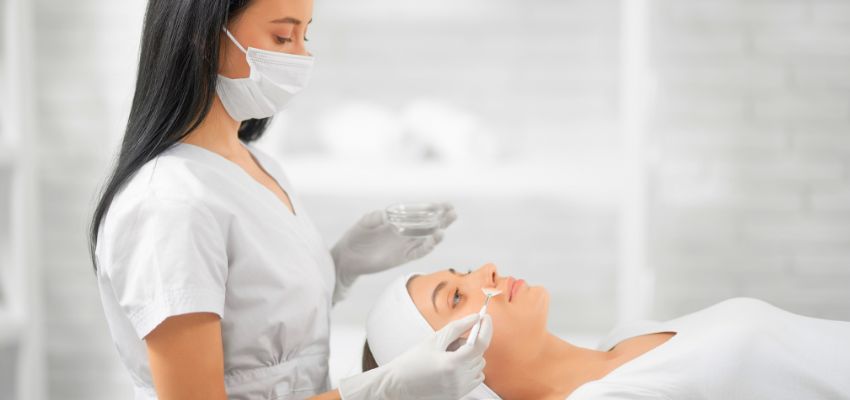
They offer treatments like facials, chemical peels, and microdermabrasion. Other services include pore cleansing, waxing, eyelash extensions, and makeup application.
It’s important to distinguish estheticians from dermatologists. Estheticians offer non-invasive treatments and focus on skin care. Dermatologists are medical doctors who manage skin conditions. Often, estheticians work with dermatologists to help patients with specific concerns.
Why Esthetics Will Be A Growing Career By 2026
The skincare industry is growing rapidly. Consumers are learning more about ingredients, skin conditions, and treatments. In the coming years, the focus will shift toward preventive care and personalized skincare solutions by 2026.
Estheticians are now seen as essential partners in health and hygiene, not just providers of luxury services. The profession’s flexibility adds to its appeal; they can work full-time, part-time, or freelance. Because of this, many view it as a sustainable and attractive career choice.
What Does An Esthetician Do?
An esthetician’s daily responsibilities involve assessing clients’ skin and providing suitable treatments. Their duties often include:
- Analyzing skin types and conditions
- Performing facials, exfoliation, and deep-cleansing treatments
- Removing unwanted hair through waxing or threading
- Applying chemical peels and other corrective services
Estheticians also have other key responsibilities. They must maintain strict sanitation standards, manage client records, and stay current on product ingredients, industry trends, and safety protocols.
Common Work Settings
Estheticians work in various settings, including:
- Salons and spas, focusing on relaxation and beauty.
- Medical spas (med-spas) offer advanced treatments under medical supervision.
- Resorts and cruise ships, providing luxury skincare for travelers.
- Freelance and mobile services, visiting clients, or renting private suites.
Skills And Traits Of Successful Estheticians
Successful estheticians blend technical expertise with strong interpersonal skills. Key qualities include:
- Precise manual dexterity and a gentle, steady touch
- Clear, confident communication when addressing skin concerns and treatments
- Empathy and patience, especially with clients who feel self-conscious about their skin
- A professional attitude with a focus on hygiene and safety
How To Become An Esthetician: Step-By-Step
Step 1: Understand Esthetician Licensing Requirements
State authorities regulate esthetics. In most cases, they require you to:
- Be at least 16 or 17 years old.
- Hold a high school diploma or GED.
- Complete a state-approved training program with a required number of hours.
Training hours and rules can vary. Start by checking with your state’s board of cosmetology.
State 2: Choose The Right Esthetician Program
Choose a school accredited by a trusted organization. Examples include the National Accrediting Commission of Career Arts & Sciences (NACCAS) or similar bodies. Programs may be offered through private beauty schools or community colleges. When comparing esthetician schools, consider the following:
- Training in modern techniques like LED therapy and dermaplaning
- Job placement aid
- Availability of financial aid, including federal loans and Pell Grants
Step 3: Complete Your Esthetician Training
Your training will combine classroom learning with hands-on practice. You’ll study topics like:
- Anatomy and physiology
- Skin disorders and conditions
- Sanitation and infection control
You’ll gain practical skills in facials, hair removal, and more. Most programs start on mannequins, then shift to supervised treatments on real clients. This hands-on experience builds confidence for professional success.
Step 4: Pass State Licensing Exams
After completing your training, you’ll need to pass your state licensing exams. These usually include:
- A written exam on theory, safety, and skin science
- A practical exam to show safe and accurate treatment techniques
Practice exams are often available through organizations like the National Interstate Council (NIC).
Step 5: Apply For Your Esthetician License
Once you pass your exams, submit your application and fees to the state. After approval, display your license at work.
Each state has its own licenses. If you move, you might need to apply for reciprocity or take more tests.
Step 6: Launch Your Esthetician Career
With your license, start your career by working for an employer or building your own client base.
- Building a treatment portfolio
- Establishing a professional social media presence
- Networking with local salons, spas, and clinics
These actions will help you increase visibility and establish lasting client relationships.
How Long Does It Take To Become An Esthetician?
It takes 4 to 12 months to become an esthetician. Full-time programs last 4–6 months, part-time 9–12 months, depending on state-required hours. Many schools offer flexible schedules. Avoid programs that promise certification in weeks, as they may not meet state requirements.
How Much Does It Cost To Become An Esthetician?
Esthetician programs generally cost around $3,000 and $10,000. Community colleges frequently offer the most affordable options. You should also expect to pay an extra $100-$200 for state board exams and $50-$150 for licensing fees. Graduates need to budget for tools, supplies, and insurance as well. This may amount to several hundred dollars each year.
Esthetician Career Paths And Specializations
- Spa and salon esthetician. This common entry path focuses on facials, waxing, body treatments, and customer care. It’s perfect for building speed, efficiency, and client service skills.
- Medical esthetician. Medical estheticians work in clinical settings like dermatology offices or medical spas. They assist with laser treatments, medical-grade peels, and pre- and post-procedure care. This specialization often requires training beyond a standard esthetician license.
- Bridal and makeup specialist. Some estheticians focus on makeup for weddings and special events. They use their skincare knowledge to prepare the skin better. This helps achieve longer-lasting results.
- Entrepreneurship and self-employment options. Many estheticians open their own businesses, such as private suites, mobile services, or spas. This path offers more earning potential but requires managing bookings, marketing, and operations.
Frequently Asked Questions
What are the esthetician license requirements in 2026?
Requirements vary by state. Most states oblige you to meet minimum age and education standards. You’ll also need to complete a state-approved program and pass state board exams.
Do you need a college degree to become an esthetician?
No, a college degree isn’t required. A high school diploma or GED is usually enough. Business and marketing courses help those planning self-employment.
Can you become an esthetician online?
You cannot qualify for licensure through an online-only program. Some schools offer online theory classes. Hands-on training, however, must be done in person.
What’s the difference between an esthetician and a cosmetologist?
Cosmetologists work on hair, nails, and skin, mainly focusing on hair. Estheticians focus on skincare and receive detailed training in treatments.
How much do estheticians make after licensing?
Earnings vary by location and workplace. The average annual income is over $42,000. Entry-level pay is lower, but experienced and self-employed estheticians in high-demand areas can earn more.
Is continuing education required for estheticians?
The majority of states require continuing education for license renewal. Even when it’s not required, advanced courses in areas like lash extensions or microblading increase your competitiveness and earning potential.

Your Roadmap To A Confident, Licensed Esthetics Career
Wondering how to become an esthetician? The journey takes commitment, training, and lifelong learning. To succeed, build client trust, improve your skills, and choose approved, high-quality education. With careful planning, you could be licensed and working in under a year.
Ready to grow your skincare business or offer high-end services? Salon Suites of Wellington offers a premium space. It’s perfect for independent professionals. Build your career in a luxurious and supportive environment.
Rent Salon Space In Wellington Florida
Rent salon space in Wellington with us. Whether you’re a hairstylist, nail technician, or any other beauty professional, we provide the ideal environment to help your business thrive. Our Wellington salon suites offer a wide range of benefits, including complimentary cleaning services, flexible lease terms, and a welcoming atmosphere designed to make your clients feel at home. Elevate your career and build your brand by leasing salon space in Wellington.

About The Author
Meet Rei Bayucca, a professional writer and passionate expert in all things related to beauty. Every article is purposely designed to assist you in tackling your most challenging dilemmas. Rei’s knack for creating engaging content is guaranteed to ignite your curiosity.