How Often To Trim Hair For Maximum Growth? Experts Reveal
Published February 20, 2026
Dreaming of long, luscious hair but overwhelmed by conflicting advice? You’re not alone. A common myth is that skipping haircuts helps it grow faster. In reality, avoiding trims can actually hurt your length goals. When split ends form and go untreated, they worsen over time, causing breakage that forces you to cut off more later. If you’ve ever wondered how often to trim hair for maximum growth, the answer lies in balancing healthy cutting with smart growth habits.
In this article, we’ll explore the science of trimming. We’ll debunk common myths and show you how to spot when your hair needs care. Plus, we’ll share tips tailored to your hair type and goals.
Why Trim For Growth?
The connection between hair trimming and growth is often misunderstood. Let’s clarify what trims can and can’t do for your hair.
True Vs. False Beliefs About Trims And Hair Growth
Trimming your hair doesn’t make it grow faster from the root. Hair growth starts at the scalp. It’s determined by your genetics, health, and age, not by cutting the ends.
The main benefit of trimming is length retention. Removing split ends prevents breakage, letting your hair maintain its length as it grows. Regular trims help you keep the length you’ve gained, rather than speeding up growth.
What Experts Say About Trimming Healthy Vs. Damaged Ends
Hair experts agree that long, healthy hair starts with the ends. Once your ends become dry and frayed, they weaken and eventually break. Regular trims remove the most fragile part of the hair before the damage can spread, preserving the density and length of your hair.
How Trimming Fits Into A Longer-Term Hair Growth Strategy
Think of trimming as maintenance, not a setback. A successful hair growth plan combines:
- Scalp stimulation
- Nutrient support
- Gentle handling
- Preventive trims
This holistic approach keeps your hair strong from root to tip.
Cutting Cues: How Often Should You Trim Your Hair?
Instead of following a rigid schedule, pay attention to your hair’s signals.
Cue #1: Recognize The Signs Your Ends Need Care
Look out for:
- Dry, rough, or straw-like ends
- Split tips or white dots
- Excessive tangling at the bottom
- A style that won’t hold its shape
These are clear signs it’s time to refresh your ends.
Cue #2: Break Free From Breakage
Split ends, also known as trichoptilosis, happen when the hair’s protective outer layer wears away, causing the inner strand to fray. If left untrimmed, these weakened ends can easily snap off when you brush, wash, or style your hair. Regular trims are crucial for removing these damaged tips before the breakage spreads further up the hair shaft.
Cue #3: Factor In Growth Rate
Hair typically grows about half an inch per month, though your genetics, age, and health can affect this. Faster growth may require more frequent trims, while slower growth allows longer gaps.
Cue #4: Rethink Your Product Routine
Damaged hair often comes from harsh cleansing or not enough conditioning. To support your trimming schedule, use:
- Hydrating masks
- Leave-in conditioners
- Cuticle-sealing serums
Healthier ends mean you can go longer between cuts.
Cue #5: Support Hair From Within
Nutritional deficiencies can weaken hair, making it brittle and prone to split ends. Key nutrients like biotin, iron, zinc, and vitamins A, C, D, and E play a vital role in strengthening strands. Supporting overall health boosts hair resilience and reduces the risk of breakage.
Cue #6: Length Matters
Longer hair has older, more damaged ends due to more styling and exposure. It needs more care. Shorter cuts require frequent trims for shape but experience less damage.
Cue #7: Texture And Type
Fine, straight hair shows damage more easily and typically benefits from a trim every 6-8 weeks. In contrast, coarser or curlier hair is naturally drier and requires a more customized trimming schedule.
Cue #8: Build A Plan With Your Stylist
A professional stylist can assess your hair’s condition and growth goals. They’ll recommend the ideal trimming schedule. Their advice helps keep your hair healthy while preserving length.
Trim Frequency Recommendations By Hair Type And Goal
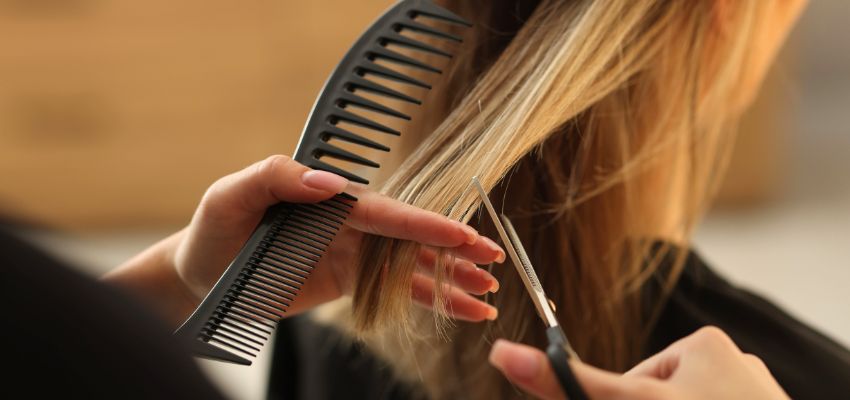
A single approach to trimming doesn’t suit everyone. Here’s a simple guide tailored to your hair type and growth goals.
Straight, Fine, Or Low-Damage Hair
If your hair is healthy and not frequently exposed to heat styling, trimming every 10–12 weeks helps preserve length and prevent early damage. If you find split ends or increased breakage before this period, consider trimming sooner.
Medium And Long Hair
Healthy medium-to-long hair generally benefits from a trim every 3–6 months. Many people choose to trim four times a year to refresh the ends, but if your hair stays healthy, you might need maintenance only every 6 months. Watch for signs of damage between trims.
Textured Hair (Waves, Curls, Coils)
Textured hair is drier because natural oils travel slowly down the shaft. To retain length, curly and coily hair should be trimmed every 3–4 months. Ask your stylist for a “dusting,” removing only hair tips to preserve curl pattern and length.
Why Proper Trimming Matters: Breakage, Split Ends And Visible Growth
Understanding why trimming is necessary is the first step toward achieving longer, healthier hair.
- How split ends interfere with length retention. When hair ends weaken, everyday friction can cause them to snap. If you wait too long to get a trim, this accumulated damage can lead to noticeable thinning and prevent your hair from getting longer. Removing these compromised ends is the best way to prevent this cycle from starting.
- Why waiting too long hurts perceived growth. When hair breakage matches or exceeds growth, it may seem like your hair isn’t growing. In reality, this is a retention issue, not slow growth.
- Finding the balance. If you trim too often, you’ll lose healthy length. If you wait too long, you’ll let damage get worse. The key is to trim your hair just before it starts to show evident wear and tear.
How To Maximize Growth Between Trims
Your daily habits are just as crucial as your trimming routine. Here’s how to care for your hair between salon visits.
Scalp Care Fundamentals
Keep your scalp clean to prevent buildup that can block hair follicles. A gentle scalp massage boosts circulation and aids nutrient delivery.
Best Products To Pair With Trims
To keep your hair healthy and long between trims, using the right products is key. Add these to your routine:
- Bond-building treatments: These repair and strengthen your hair’s internal structure, making it highly resistant to breakage.
- Protein conditioners: Conditioners with added protein fortify the hair shaft, improving strength and elasticity.
- Lightweight oils or serums: Apply a small amount to your ends to seal in moisture and protect them from daily damage.
These products will strengthen your hair from the inside out and reduce the effects of environmental stressors.
Lifestyle And Diet Habits That Support Hair Health
Protein-rich foods such as salmon, eggs, spinach, and avocados provide essential building blocks for hair. Staying hydrated, managing stress, and following good sleep habits also promote healthy hair growth.
Heat Styling And Damage Prevention (Protective Practices)
Try to minimize heat styling and always apply a thermal protectant before using hot tools. You can also reduce mechanical stress on your hair by wearing protective styles and using a silk or satin pillowcase.
Frequently Asked Questions
How often should you trim hair if you want it to grow longer?
Most hair types generally benefit from a trim every 8–12 weeks. If you notice increased split ends or tangling before this window, trim sooner to maintain healthy length.
Does trimming make hair grow faster at the root?
No, your hair’s growth rate is determined by genetics and internal factors, not by trimming. Trimming simply prevents breakage, which helps you retain length.
How often to trim curly hair for maximum growth without losing length?
Every 3–4 months is ideal. A light trim removes minimal length while preserving curl structure.
Can skipping trims ever be beneficial for growth?
While it might seem like you’re gaining length in the short term, you’re actually risking more significant breakage later. Untreated damage often leads to a more drastic haircut down the line.
When should I trim split ends vs. wait for scheduled trims?
If you notice minor splitting, you can wait for your next scheduled trim. However, if the splitting becomes widespread or your hair feels rough, it’s best to book an earlier appointment to prevent further damage and preserve as much length as possible.

Healthy Ends, Real Length: Mastering How Often To Trim Hair For Maximum Growth
Growing long hair requires consistency, strategy, and balance. Understanding how often to trim hair for maximum growth helps you maintain healthy ends while retaining length. Rather than obsessing over a strict calendar schedule, monitor your hair’s condition and adjust as needed. Support your routine with proper nutrition, gentle handling, protective styling, and quality products.
Your hair growth journey is unique. Partner with a stylist who truly understands your hair goals. Ready to experience expert guidance and tailored care? Book your appointment today at Salon Suites of Wellington and take the next step toward your healthiest, longest hair ever.
Rent Salon Space In Wellington Florida
Rent salon space in Wellington with us. Whether you’re a hairstylist, nail technician, or any other beauty professional, we provide the ideal environment to help your business thrive. Our Wellington salon suites offer a wide range of benefits, including complimentary cleaning services, flexible lease terms, and a welcoming atmosphere designed to make your clients feel at home. Elevate your career and build your brand by leasing salon space in Wellington.

About The Author
Meet Rei Bayucca, a professional writer and passionate expert in all things related to beauty. Every article is purposely designed to assist you in tackling your most challenging dilemmas. Rei’s knack for creating engaging content is guaranteed to ignite your curiosity.