Does Brushing Hair Stimulate Growth? The Truth Revealed
Published January 23, 2026
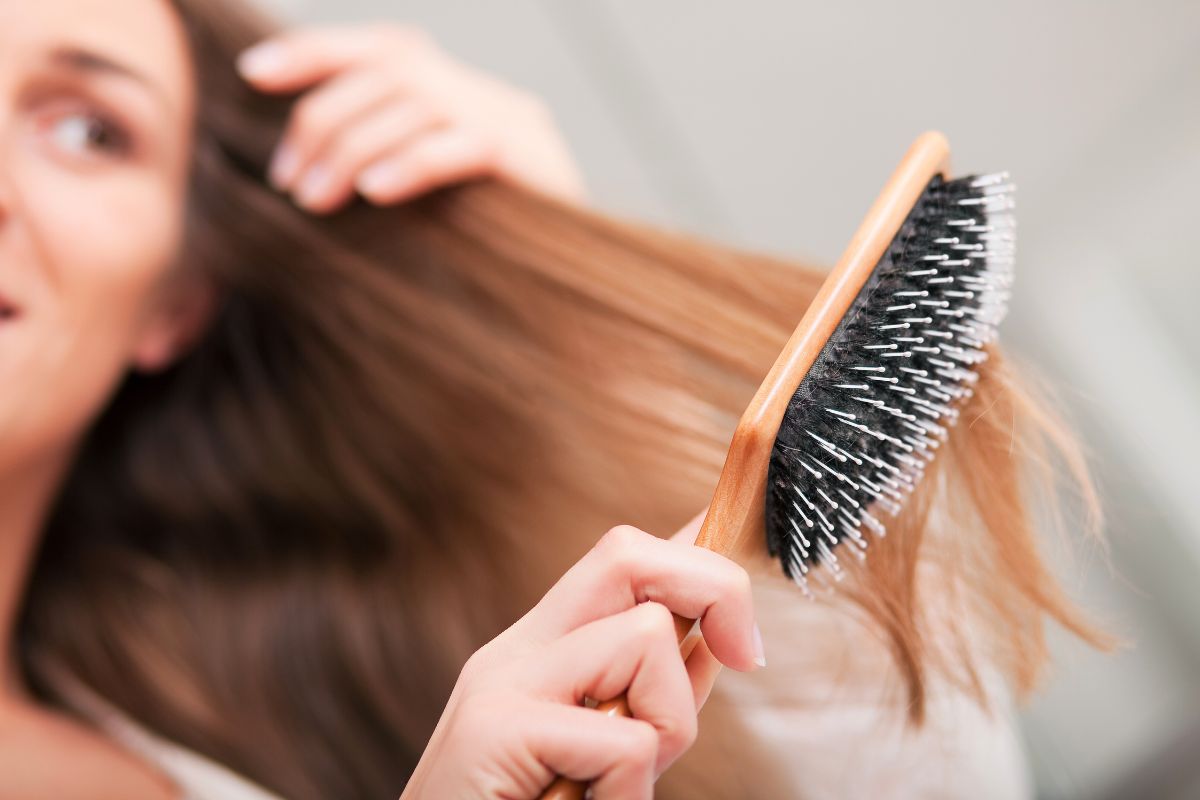
We’ve all heard the old-school beauty advice: brush your hair 100 times a day for luscious locks. It sounds simple enough, but does brushing hair stimulate growth, or is it just an outdated myth? You might be doing everything right—regular trims, hair masks, and gentle products. Yet, your hair just won’t grow past a certain point. It’s frustrating. This often makes you question your habits, like brushing, and whether they’re helping or hurting your hair goals.
In this article, we’ll investigate whether brushing actually stimulates hair growth. We’ll explore how brushing affects scalp circulation and oil distribution, the risks of over-brushing, and how to brush correctly for a healthy scalp and strong hair. Whether your hair is coily, curly, or straight, this will help you separate fact from fiction.
Does Brushing Hair Stimulate Growth, Or Is It A Myth?
The short answer is: no, not directly. Brushing your hair doesn’t cause follicles to grow faster or extend the growth phase. The idea that mechanical stimulation alone speeds up hair growth is essentially a myth.
However, brushing isn’t pointless. Its value lies in maintenance, not stimulation. Think of it less like a fertilizer that forces plants to grow. It’s more like tending to the soil. Brushing helps create the right conditions for hair to thrive. However, it can’t change your genetics or biology. It’s essential to set realistic expectations: brushing supports hair health, not the speed of its growth.
Does Brushing Your Hair Stimulate Hair Growth? What Experts Say
While brushing isn’t scientifically proven to promote hair growth directly, trichologists recommend gentle brushing as part of a balanced hair care routine. When done correctly, it offers indirect but significant benefits.
The Role Of Blood Circulation In Scalp Health
Brushing your hair can slightly increase blood flow to the scalp by stimulating the skin’s surface. Better circulation delivers oxygen and nutrients to hair follicles, supporting healthy hair function. However, it does not alter your genetically determined hair growth rate. At most, brushing creates healthier conditions for follicles but doesn’t speed up hair growth.
Does Oil Distribution Support Healthier Hair Growth?
The scalp produces sebum, a natural oil that protects and nourishes hair. Brushing helps evenly distribute this oil from the roots to the ends, reducing dryness and friction. This added protection minimizes breakage, which is essential for retaining length. Hair that breaks less appears to grow faster because it remains intact longer.
Detangling Benefits Vs Growth Claims
Tangles create stress points that lead to snapping and split ends. Gentle brushing removes knots and minimizes mechanical damage, helping you retain your current health. This preservation is often mistaken for accelerated growth when it’s actually effective damage prevention.
Can Brushing Promote A Healthier Scalp Environment?
Brushing also helps remove dead skin cells, product buildup, and environmental debris. A clean scalp is less prone to inflammation, flaking, or irritation that can disrupt the hair growth cycle. While brushing won’t directly trigger new growth, it helps create a robust foundation for your hair.
The Science Behind Hair Growth And Scalp
Hair grows from follicles beneath the scalp during the anagen (growth) phase, influenced by genetics, hormones, nutrition, and overall health. Once it emerges from the scalp, hair is no longer living tissue. Brushing the visible hair does not affect the activity within the follicle.
The Hair Cuticle: Protection, Not Growth
The cuticle, the outermost cover of the hair shaft, is composed of overlapping scales that protect the hair. When the cuticle lies flat, hair appears smooth and shiny. However, rough or excessive brushing can lift or damage these scales, making hair more prone to moisture loss and damage.
The Cortex: Strength, Structure, And Breakage Prevention
The cortex lies beneath the cuticle and provides hair with its strength, elasticity, and color. When the cortex is damaged, hair weakens and breaks more easily. Handling your hair gently protects this layer, helping it stay strong and retain length, which is far more effective for growth than aggressive brushing.
Why Proper Brushing Technique Matters More Than Frequency
The traditional “100 strokes a day” rule is outdated and can cause damage. Modern hair care emphasizes brushing technique over frequency.
Common Myths About Hair Brushing And Growth
Many people believe that brushing your hair frequently or vigorously will make it shinier and longer, but this isn’t true. In reality, the excessive friction from over-brushing can cause damage. Another common myth is that hard brushing stimulates “sleeping” hair follicles, but it actually just leads to unnecessary hair loss.
How Improper Brushing Can Lead To Breakage And Hair Loss?
Aggressive brushing creates constant tension on the roots and hair shaft. Over time, this can lead to traction-related hair thinning and significant breakage. Instead of promoting growth, this improper technique can actually prevent you from reaching your length goals.
How Often Should You Brush Your Hair For Optimal Hair Health?
There’s no one-size-fits-all rule; how often you brush will depend on hair type, texture, and styling routine.
Ideal Brushing Frequency By Hair Type
- Straight to wavy hair: Brushing once or twice daily is generally enough to distribute natural oils and prevent tangles.
- Curly to coily hair: Avoid dry brushing, as it leads to frizz and breakage. Detangle only on wash days while hair is soaked in conditioner, using your fingers or a wide-tooth comb.
Signs You May Be Over-Brushing Your Hair
If you notice lots of short, broken hairs, more frizz than usual, a sensitive scalp, or your brush filling up too quickly, you might be over-brushing. These are signs of mechanical stress on your hair, not healthy shedding.
How To Brush Your Hair Correctly To Avoid Damage
Proper technique decides if brushing helps or harms.
Step-By-Step Guide To Proper Hair Brushing
- Start at the ends: Avoid brushing from the roots.
- Work your way up: Detangle in sections to prevent pulling.
- Be gentle: Use light strokes and avoid pressing on the scalp.
- Finish at the roots: Once detangled, brush downward to distribute oils evenly.
Using the correct type of brush for your hair type
Tools matter as much as technique.
Best Brushes For Fine, Thick, Curly, And Coily Hair
- Paddle brushes: Perfect for straight, fine to medium hair
- Round brushes: Great for blow-drying and adding volume
- Wide-tooth comb: A must-have for curly or coily hair
- Wet brushes: Designed to flex and minimize breakage on damp hair
Natural Vs Synthetic Bristles: Does It Matter?
- Boar bristles: Best for distributing natural oils and adding shine.
- Synthetic bristles: Ideal for detangling stubborn knots and reducing static.
- Mixed bristles: A versatile option that balances detangling with conditioning.
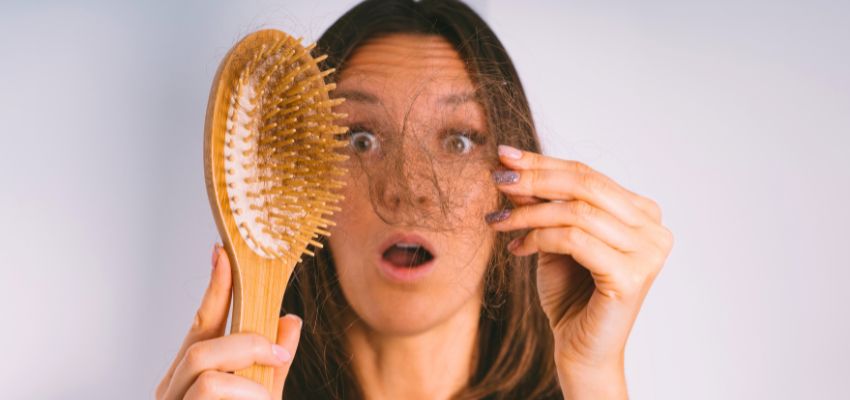
Brushing, Hair Shedding, And Hair Loss: Understanding The Difference
Finding hair in your brush may be unsettling, but it’s usually a regular part of the hair growth cycle.
Normal Daily Shedding Vs Excessive Hair Loss
It’s normal to lose 50–100 hairs daily. Brushing simply collects strands that have already reached the shedding phase. If you skip brushing, the eventual hair fall may appear excessive when it’s actually just a buildup of naturally shed hair.
Can Brushing Make Hair Loss Look Worse Than It Is?
Yes, aggressive brushing can cause hair to fall out prematurely or break, making hair appear thinner. Gentle brushing removes only loose hairs and keeps your style neat.
Proven Ways To Stimulate Hair Growth Beyond Brushing
To promote hair growth, prioritize these evidence-based strategies.
Nutrition And Micronutrients For Hair Growth
Protein, zinc, iron, omega-3 fatty acids, and vitamins A, C, and E are essential nutrients. Deficiencies in these often impact hair first, as it’s considered non-essential tissue.
Scalp Massage And Blood Flow Stimulation
Scalp massage is more effective than brushing for improving circulation. Use your fingertips to massage the scalp in small circular motions for about five minutes a day.
Evidence-Backed Natural And Clinical Treatments
Clinical studies show that ingredients like rosemary oil may help with hair growth. Additionally, treatments like minoxidil and finasteride are scientifically proven. They effectively treat certain types of hair loss.
When To See A GP Or Hair Specialist
Consider seeking a medical evaluation. Do not rely on brushing alone if you experience specific symptoms. These include persistent itching, pain, or redness. You should also see a doctor for bald patches or sudden heavy shedding.
A trichologist or dermatologist can evaluate your scalp’s health. They can diagnose conditions like alopecia or psoriasis. They can also request blood tests to identify hormonal or nutritional imbalances.
Frequently Asked Questions
Does brushing hair stimulate hair growth faster?
No. While brushing doesn’t make hair grow faster, it can help prevent breakage, which helps hair retain its length.
Does brushing your hair stimulate growth every day?
Daily brushing helps keep the scalp clean and distributes natural oils, but it doesn’t make hair grow faster.
Does brushing stimulate hair growth by increasing blood flow?
Brushing provides mild stimulation, but scalp massages are more effective for improving circulation.
Can excessive brushing cause hair thinning or hair loss?
Yes, excessive brushing can cause friction and tension, leading to hair breakage and thinning.
Is there a best time of day to brush hair for growth?
There’s no perfect time for growth, but brushing before bed removes debris and helps distribute oils overnight.
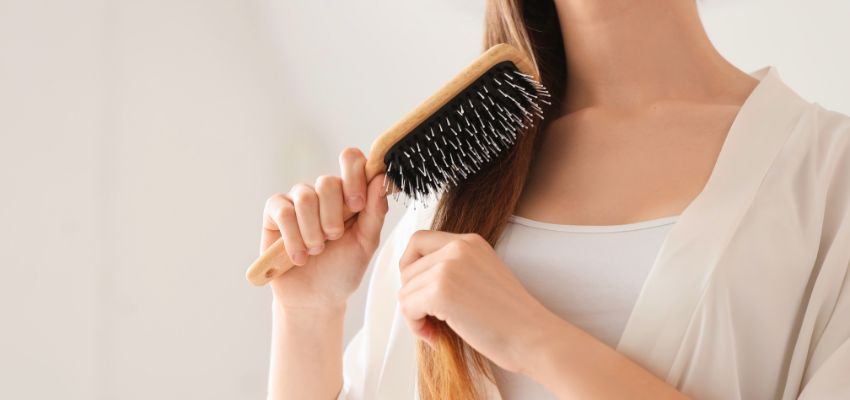
Brushing And Hair Growth: Myth Debunked, Healthy Habits Explained
So, does brushing hair stimulate growth? While the popular myth of “100 strokes for growth” has been disproven, hair brushing is still a vital part of hair care. It doesn’t directly cause growth, but it helps maintain scalp hygiene, distribute oils, and detangle hair, which prevents breakage and helps retain length. The key is gentle, balanced brushing combined with a good diet and scalp care to create a foundation for strong, healthy hair.
To take your hair journey to the next level, nothing beats professional expertise. For top-tier service, Salon Suites of Wellington hosts independent beauty experts dedicated to a premium experience. Visit them to find the perfect stylist for your hair goals.
Rent Salon Space In Wellington Florida
Rent salon space in Wellington with us. Whether you’re a hairstylist, nail technician, or any other beauty professional, we provide the ideal environment to help your business thrive. Our Wellington salon suites offer a wide range of benefits, including complimentary cleaning services, flexible lease terms, and a welcoming atmosphere designed to make your clients feel at home. Elevate your career and build your brand by leasing salon space in Wellington.

About The Author
Meet Rei Bayucca, a professional writer and passionate expert in all things related to beauty. Every article is purposely designed to assist you in tackling your most challenging dilemmas. Rei’s knack for creating engaging content is guaranteed to ignite your curiosity.